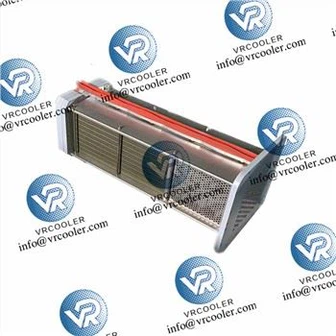
Application Of Transformer Oil Cooling in Regional Hub Substation Main Transformer
Why oil cooling is necessary? It is because the main transformer has high losses, and at full load, the heat generation density per unit volume is extremely high; Transformer oil provides insulation, heat dissipation, arc extinguishing, rust prevention, all of which are indispensable.
- The load fluctuates greatly, often approaching full load, and the annual operating hours are high. It is necessary to use strong circulation and forced heat dissipation to control the temperature. Oil cooling is the key to temperature control and lifespan preservation.
Working principle: The oil pump extracts low-temperature oil from the bottom of the main transformer oil tank, presses it into the oil passage of the winding/iron core, and forcibly takes away heat. The hot oil is sent through a pipeline to a radiator with a fan, which forcefully blows air and rapidly cools down.
The cooled oil flows back to the bottom of the fuel tank and continues to circulate, forming a closed loop.
Temperature control logic: Start the pump and fan in stages according to the upper oil temperature/winding temperature to achieve intelligent temperature control.

- System composition (standard for hub stations)
Main circulation pump set: dual pump redundancy (one in use and one backup), automatic switching in case of single pump failure (≤ 0.5s), ensuring uninterrupted oil flow.
Heat sink group: multi panel heat sink+axial flow fan, grouped control, put into operation as needed.
Oil pipelines and valves: high-pressure seamless steel pipes, quick shut-off valves, pressure/flow monitoring.
Temperature control and protection: upper oil temperature, winding temperature, oil flow relay, pressure relief valve, cooler full stop protection (allowed to operate at rated load for ≤ 20 minutes after full stop).
- Key operating parameters (hub station specifications)
Upper oil temperature: ≤ 85 ℃ (alarm), ≤ 95 ℃ (trip).
Winding hotspot temperature: ≤ 105 ℃ (design limit).
Oil flow velocity: ≥ 1.2m/s (ensuring heat exchange).
Cooler configuration: Designed with 100% capacity and redundancy, single group failure does not affect full load.
Key points for design and operation of oil cooling system in hub station
1. Design principles
Redundant configuration: The oil pump, fan, and power supply are all N-1 redundant, with dual sets of critical components.
Group control: Coolers are put into operation in groups to adapt to load fluctuations, save energy, and extend their lifespan.
Complete protection: Independent trip circuits are set up for the complete shutdown of the cooler, interruption of oil flow, and high oil temperature, which are linked with the main transformer protection.
Oil quality assurance: Using high ignition point, low viscosity, high insulation transformer oil, regularly filtering the oil, testing for micro water/acid value/breakdown voltage.
2. Key points of operation and maintenance (core work of hub stations)
Daily inspection: Check the operation, oil level, oil temperature, oil flow, leakage, abnormal vibration/noise of the oil pump/fan.
Regular tests: oil pump switching test, fan start stop test, cooler full stop test, oil flow relay calibration.
Oil quality management: At least once a year, conduct oil chromatography analysis to track insulation aging and latent faults.
Fault handling: When the cooler is completely stopped, restore or reduce the load within 20 minutes to avoid overheating and tripping.
- The oil cooling application of main transformers in regional hub substations, with OFAF as the absolute mainstream and OFWF asspecial scenario supplement, focuses on achieving efficient temperature control, high reliability, and long service life through strong oil circulation and forced heat dissipation, supporting the safe and stable operation of the power grid. The selection and operation are centered around four core elements: redundancy, intelligence, oil quality, and protection, ensuring the continuous reliability of the main transformer under heavy and fluctuating loads.