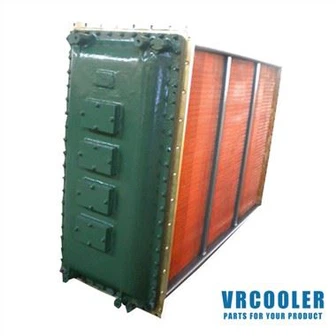
Air Coolers For Hydro Generators
Air coolers for hydro generators
Air coolers can be used for hydro generators to dissipate the heat generated during operation. Hydro generators produce electricity by converting the kinetic energy of water into electrical energy. This conversion process generates heat, which needs to be dissipated to prevent damage to the generator.
Air coolers work by passing air over the surface of the generator to cool it down. This can be done using a variety of techniques, including forced air cooling and natural convection. Forced air cooling involves using a fan to move air over the generator, while natural convection relies on the natural flow of air to cool the generator.
The choice of cooling method will depend on a variety of factors, including the size and capacity of the generator, the operating environment, and the cooling requirements. In general, forced air cooling is more effective than natural convection and is typically used for larger generators or those operating in hot or humid environments.
It is important to design and maintain the cooling system for hydro generators to ensure reliable and efficient operation. This may involve regular inspection and cleaning of the air coolers, as well as monitoring of temperature and other performance indicators.

Air coolers for hydro generators can come in a variety of configurations and designs depending on the specific needs and requirements of the generator. Some common types of air coolers include:
Finned tube air coolers: These air coolers consist of a series of tubes with fins attached to the outside. Air is forced over the fins to cool the tubes, which in turn cools the generator.
Plate fin air coolers: Plate fin air coolers consist of a series of thin metal plates with fins attached to the surface. The plates are stacked together to form a compact unit, with air forced over the fins to cool the generator.
Shell and tube air coolers: These air coolers consist of a shell with a series of tubes running through it. Water flows through the tubes, which are cooled by air passing over the outside of the shell.
Forced draft air coolers: These air coolers use a fan or blower to force air over the generator, increasing the cooling capacity and efficiency.
Natural draft air coolers: These air coolers rely on the natural flow of air to cool the generator. They are typically used for smaller generators or in locations with cooler ambient temperatures.
The choice of air cooler will depend on a variety of factors, including the size and capacity of the generator, the operating environment, and the cooling requirements. Some factors to consider when selecting an air cooler include:
Heat load: The amount of heat generated by the generator will determine the cooling capacity required.
Ambient temperature: The temperature of the surrounding environment will affect the cooling efficiency of the air cooler.
Humidity: High humidity can reduce the effectiveness of air cooling, requiring additional cooling capacity.
Altitude: High altitude locations may require additional cooling capacity due to the reduced density of the air.
Proper design and maintenance of the air cooling system is essential to ensure reliable and efficient operation of hydro generators. This may include regular inspection and cleaning of the air coolers, as well as monitoring of temperature and other performance indicators.