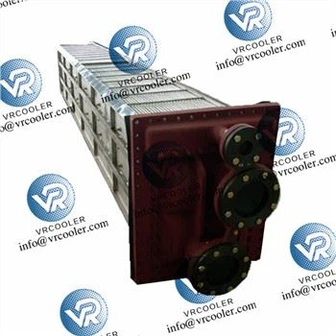
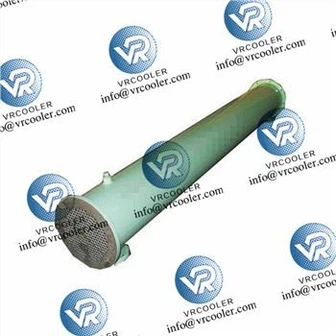
Air Coolers For Electric Motors in Ships Engine Room
Air coolers for electric motors in a ship's engine room are critical thermal management devices designed to dissipate heat generated by electric motors operating in the harsh, confined environment of marine engine rooms. These coolers ensure motors maintain optimal operating temperatures, preventing overheating, efficiency loss, or catastrophic failure-key to sustaining a ship's propulsion, power generation, and auxiliary systems.
Electric motors in ship engine rooms (e.g., main propulsion motors, generator motors, pump motors) generate significant heat during operation due to electrical resistance and mechanical friction. In engine rooms, ambient temperatures are often high (30–50°C) due to nearby engines, boilers, and limited ventilation, exacerbating the risk of motor overheating. Air coolers address this by forcing cool air across the motor's heat-generating components (stators, rotors, windings) to transfer heat away, maintaining motor temperatures within safe limits (typically <100°C for Class F insulation).
Operational Principles
The cooling process follows these steps:
Heat Absorption: The motor's hot components (e.g., windings) transfer heat to the cooler's heat exchanger core via conduction.
Airflow: Fans draw in cool air (from the engine room or a dedicated fresh air duct) and push it through the core's fins/tubes.
Heat Transfer: As cool air passes over the heated fins, heat is transferred from the core to the air via convection.
Hot Air Discharge: The warmed air is exhausted away from the motor (often via ducts to the engine room's general ventilation system or directly outside the hull) to prevent reabsorption.

Marine-Specific Design Considerations
Shipboard air coolers must address unique challenges, making them distinct from industrial or land-based counterparts:
Corrosion Resistance:
Exposure to saltwater mist, humidity, and oil vapors requires materials (e.g., stainless steel, anti-corrosive coatings) and seals (nitrile or Viton) that resist rust and degradation.
Compact Size:
Engine rooms are space-constrained, so coolers are designed to be compact, with low profiles or modular shapes to fit around motors and other equipment.
Vibration & Shock Resistance:
Components (fans, wiring, fins) are reinforced to withstand continuous vibration from engines and rough seas, preventing loosening or damage.
Explosion Safety:
In engine rooms with flammable vapors (e.g., from fuel), coolers may use spark-proof fans or be certified for hazardous areas (ATEX or IECEx ratings).
Low Maintenance:
Accessible filters, removable panels, and robust bearings reduce downtime for cleaning and repairs-critical for uninterrupted ship operations.
Applications in Ship Engine Rooms
Air coolers are used for various electric motors in engine rooms, including:
Main Propulsion Motors: Large electric motors driving the ship's propellers, which generate massive heat under high load.
Generator Motors: Motors in diesel-electric gensets, where overheating can disrupt power supply to the ship.
Auxiliary Motors: Motors powering pumps (fuel, cooling water, bilge), compressors, and winches, which operate continuously and require reliable cooling.