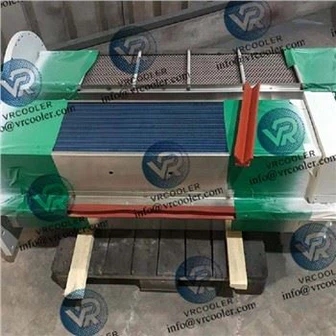
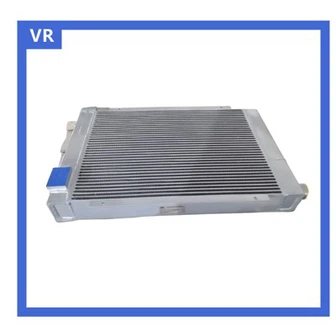
Air Cooler Designed To Remove Heat From The Generator
Air Cooler Designed To Remove Heat From The Generator Cooling Air To The Plant Cooling Water
The air cooler works based on the principle of heat transfer. The hot air from the generator's cooling system, which has absorbed the heat generated by the generator during operation, is passed through one side of the heat exchanger. On the other side, the plant's cooling water flows. Heat is transferred from the hot air to the cooler water through the walls of the heat exchanger tubes or fins.
For example, if the temperature of the generator cooling air is 60°C and the temperature of the plant cooling water is 20°C, as the air passes through the air cooler, the temperature of the air will decrease and the temperature of the water will increase. The rate of heat transfer depends on factors such as the temperature difference between the air and water, the surface area of the heat exchanger, and the flow rates of both the air and water.
Components and Structure
Heat exchanger core: This is the main part of the air cooler. It usually consists of a series of tubes or fins that provide a large surface area for heat transfer. The tubes may be made of materials such as copper or aluminum, which have good thermal conductivity.
Air inlet and outlet: The hot air from the generator cooling system enters the air cooler through the air inlet. After heat transfer, the cooled air exits through the air outlet. The design of the inlets and outlets is crucial to ensure proper air flow and even distribution of air across the heat exchanger surface.
Water inlet and outlet: The plant cooling water enters the air cooler at a relatively low temperature through the water inlet. As it absorbs heat from the air, it exits through the water outlet at a higher temperature. Pipes and fittings are used to connect the water inlet and outlet to the overall plant cooling water system.
Benefits and Applications
Efficient cooling: By transferring the heat from the generator cooling air to the plant cooling water, it helps to maintain the generator at an optimal operating temperature. This is crucial for the efficient and reliable operation of the generator, as overheating can lead to reduced performance and even damage to the generator.
Integration with plant systems: It allows for the reuse of the plant's existing cooling water system. The heat absorbed by the water can be further dissipated in cooling towers or other heat rejection systems within the plant. This integration helps to optimize the overall energy consumption and cooling efficiency of the plant.
Applications: This type of air cooler is widely used in power plants where generators are a key component. It is also used in industrial facilities that have a central cooling water system and need to cool generators or other large electrical equipment.