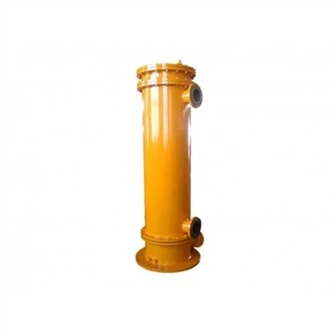
Air Compressor Waste Heat Recovery
Compressor waste heat recovery is an energy efficiency improvement technology that captures and utilizes the heat generated during compressor operation for heating, hot water or other heating purposes. This approach helps reduce energy waste, save costs, and reduce environmental impact.
Here is some key information about compressor waste heat recovery:
**working principle:**
Compressors generate a lot of heat during operation because energy is generated when gas is compressed, which is then released as heat. Waste heat recovery technology utilizes this heat. Usually, the waste heat recovery system will install a heat exchanger or heat exchanger at the outlet of the compressor to transfer heat from the high-temperature gas released from the compressor to other media such as water or air flowing through the heat exchanger. This allows thermal energy to be transferred to other applications such as heating, heating water, hot water supply, etc.
**Application field:**
- Industrial: Compressors are required in many industrial processes, such as air compression, refrigeration, chemical processes, etc. In these areas, waste heat recovery from compressors can be used to preheat raw materials in processes or to heat work areas.
- Commercial buildings: Large commercial buildings such as office buildings, hotels, shopping centers, etc. also commonly use air conditioning and refrigeration systems. The waste heat generated by these systems can be used for heating and hot water supply.
- Agriculture and Greenhouses: In agriculture and greenhouses, compressor waste heat can provide the heating needed to help maintain the right temperature and humidity conditions.

**Advantage:**
- Energy saving and emission reduction: Waste heat recovery can significantly reduce energy waste and reduce the demand for other energy sources, thereby reducing greenhouse gas emissions.
- Cost savings: Using waste heat for heating reduces energy costs for heating and hot water production.
- Sustainability: Waste heat recovery contributes to the overall sustainability of energy systems by maximizing the use of energy available.
**Challenges and caveats:**
- Technical applicability: Different types of compressors and processes have different heat generation characteristics, and waste heat recovery systems need to be designed and optimized for specific situations.
- System design: Factors such as heat transfer efficiency, system complexity, and cost need to be considered comprehensively to ensure the effectiveness of the recovery system.
- Safety: When recovering waste heat, it is necessary to pay attention to the safety of the system to avoid overheating and pressure problems.
In conclusion, waste heat recovery from compressors is a potential technology that can improve energy utilization efficiency and reduce energy consumption and environmental impact in many fields. However, it needs to be properly designed and implemented in specific situations to ensure the effectiveness and safety of the system.