Air Compressor Cooler Design For The Fermentation Industry
Air Compressor Cooler Design for the Fermentation Industry
In the fermentation industry, the design of air compressor coolers requires consideration of several factors to ensure efficient and stable operation of the equipment.
The following are some of the key design elements:
Cooling media selection: Commonly used cooling media include water and air. Choosing the right cooling medium can improve heat exchange efficiency.
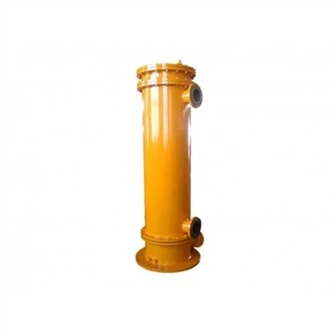
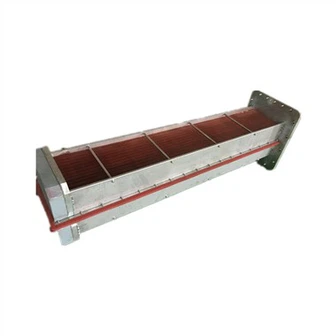
Heat exchanger type: Shell-and-tube heat exchangers or plate heat exchangers can be used, and the appropriate type should be selected according to space constraints and heat load requirements.
Fluid flow mode: the flow mode of cooling medium and compressed air should be considered, usually using counter-flow or parallel flow mode to optimise the heat exchange efficiency.
Fin design: Adding fins in the heat exchanger can expand the heat transfer area and enhance the cooling effect. The shape and material selection of fins will also affect the performance.
System Layout: Proper piping layout can reduce pressure loss and improve system efficiency. Make sure the cooler is located for easy maintenance and cleaning.
Corrosion resistance: Since corrosive gases may be generated during the fermentation process, the selection of corrosion-resistant materials (e.g., stainless steel or coated materials) is important.
Temperature control system: An automatic temperature control system can be set up to monitor and regulate the flow of cooling water or air in real time to maintain optimal operating temperatures.