Air Compressor Cooler Design And Replacement
Air Compressor Cooler Design and Replacement
The design and replacement of an air compressor cooler depend on the specific requirements and configuration of the air compressor system. Below is a general overview of the design considerations and the process of replacing an air compressor cooler.
Design Considerations for Air Compressor Cooler:
Cooling Medium: Air compressors can use different cooling mediums, such as air, water, or a mixture of water and coolant. The choice of cooling medium depends on factors like the compressor's size, operating conditions, and cooling efficiency requirements.
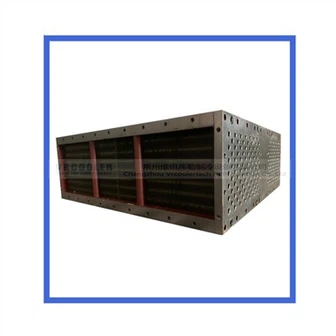
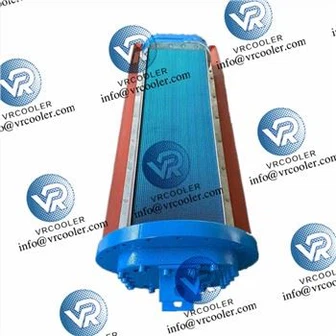
Cooling Core: The cooling core, also known as the heat exchanger, is the key component responsible for heat transfer between the compressed air and the cooling medium. It typically consists of a network of tubes or passages through which the cooling medium flows, facilitating the heat exchange process.
Airflow and Fans: Adequate airflow is crucial for efficient cooling. Air compressor coolers may utilize fans or blowers to ensure proper airflow through the cooling core. The fan design and placement should be optimized to achieve optimal cooling performance.
Mounting and Integration: The cooler should be designed and mounted in a way that allows for easy integration into the air compressor system. It should be positioned in the airflow path between the compressor outlet and the intake manifold.

Replacing an Air Compressor Cooler:
When replacing an air compressor cooler, it is essential to follow these general steps:
Assess the Existing Cooler: Evaluate the current cooler's specifications, including size, cooling capacity, and configuration. This information will help in selecting a suitable replacement.
Select a Replacement Cooler: Choose a cooler that matches or exceeds the requirements of the air compressor system. Consider factors such as cooling capacity, pressure ratings, material compatibility, and dimensions.
Remove the Old Cooler: Disconnect the existing cooler from the air compressor system by disconnecting the inlet and outlet connections, as well as any mounting brackets. Drain the cooling medium from the system, if necessary.
Install the Replacement Cooler: Install the new cooler in the designated location, ensuring proper alignment and connection to the air compressor system. Connect the inlet and outlet connections securely.
Verify Connections and Operation: Double-check all connections to ensure they are tight and secure. Refill or recharge the cooling medium, if applicable. Start the air compressor and monitor the system for proper cooling performance and any signs of leaks or issues.
It's important to note that the replacement process may vary depending on the specific air compressor system and the design of the cooler. It is recommended to consult the manufacturer's guidelines and, if necessary, seek assistance from a qualified technician to ensure proper installation and operation of the replacement cooler.