

How to choose a generator air cooler for a small - scale generator?
When you're running a small-scale generator, keeping it cool is super important. A generator air cooler plays a crucial role in preventing overheating and ensuring that your generator runs smoothly and efficiently. But with so many options out there, how do you choose the right one? As a Generator Air Cooler supplier, I've seen it all, and I'm here to share some tips to help you make the best choice.

1. Consider the Generator's Capacity
The first thing you need to look at is the capacity of your generator. A small generator won't need as powerful a cooler as a larger one. You gotta know the kilowatt (kW) rating of your generator. This rating gives you an idea of how much heat it'll produce. As a general rule, the higher the kW rating, the more heat the generator generates, and hence, you'll need a more powerful air cooler. For example, a 5kW generator will require a different cooler compared to a 15kW one. You don't want to overspend on a cooler that's too big or end up with one that's too weak to keep your generator at the right temperature.
2. Check the Cooling Efficiency
Cooling efficiency is key. This refers to how well the air cooler can remove heat from the generator. You want a cooler that can quickly and effectively reduce the temperature of the generator. Look for air coolers that have high BTU (British Thermal Unit) ratings. A higher BTU rating means the cooler can remove more heat in a given time. You can also check the specs of the cooler to see what kind of temperature drop it can achieve. Some coolers come with advanced features like adjustable fan speeds and airflow directions. These features can help you customize the cooling based on your generator's needs.
3. Look at the Build Quality
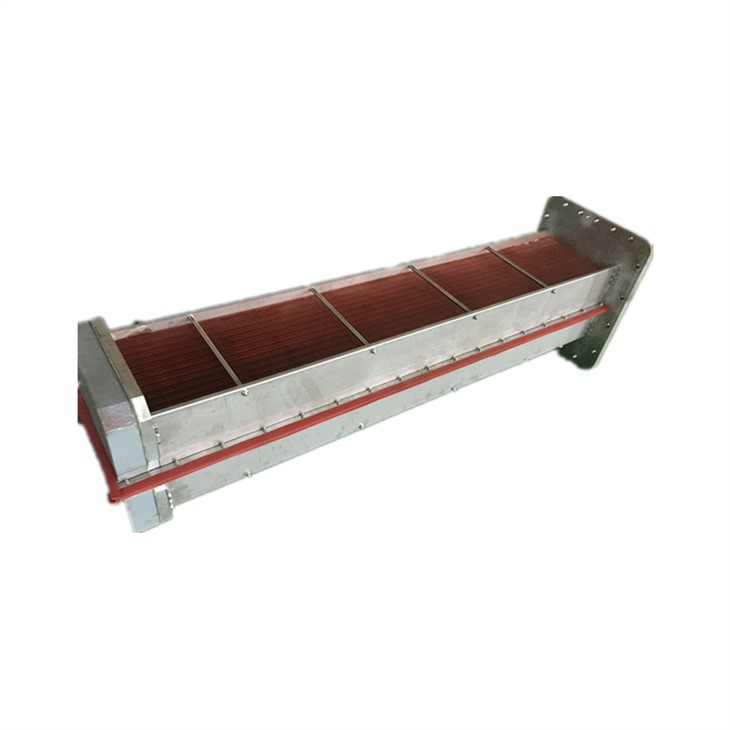
The build quality of the air cooler is another important factor. You want a cooler that's durable and can withstand the rigors of continuous use. Check the materials used in the construction. Look for coolers with a sturdy frame and high-quality components. For example, a cooler with a metal body is likely to be more durable than one with a plastic body. Also, pay attention to the quality of the fan and the heat exchanger. These are the key parts that do the cooling, so you want them to be well-made. For some high-quality heat exchangers, you can check out SAMSUNG HP16-000389D Heat Exchanger, SAMSUNG HP16-000398B Heat Exchanger, and SAMSUNG CBFR27000-G01 Heat Exchanger.
4. Noise Level
Noise can be a big issue, especially if you're using the generator in a residential area or a quiet environment. Some air coolers can be really noisy, which can be a nuisance. Look for coolers that are designed to operate quietly. Manufacturers often list the noise level of the cooler in decibels (dB). A lower dB rating means a quieter cooler. You don't want your generator and its cooler to keep you or your neighbors up at night. There are also some coolers that come with noise-reducing features like insulated housing and silent fans.
5. Maintenance Requirements
Maintenance is something you can't ignore. You want an air cooler that's easy to maintain. Look for coolers that have accessible filters. The filters need to be cleaned or replaced regularly to keep the cooler running efficiently. Also, check if the cooler has any moving parts that need lubrication. Some coolers are designed with self-lubricating components, which can save you a lot of hassle. A cooler that's easy to maintain will not only last longer but also save you time and money in the long run.
6. Compatibility
Make sure the air cooler you choose is compatible with your generator. Different generators have different designs and requirements. Some air coolers are specifically designed for certain models or types of generators. Check the manufacturer's specifications to see if the cooler is a good fit for your generator. You can also consult the generator's manual or contact the manufacturer for recommendations. For example, if you have an Atlas Copco generator, you might want to consider the Atlas Copco Compressor Oil Cooler.
7. Cost
Cost is always a consideration. You want to get the best value for your money. Compare the prices of different air coolers, but don't just go for the cheapest one. Remember, you get what you pay for. A high-quality cooler might cost more upfront, but it'll save you money in the long run by lasting longer and being more efficient. Look for coolers that offer a good balance between price and performance. You can also look for sales and discounts to get a better deal.
8. Brand Reputation
The brand reputation matters. Choose a brand that's known for making reliable and high-quality products. You can read reviews and testimonials from other users to get an idea of the brand's reputation. A well-established brand is more likely to stand behind its products and offer good customer support. You don't want to end up with a cooler from a no-name brand that breaks down after a few uses and doesn't offer any support.
9. Energy Efficiency
Energy efficiency is becoming more and more important these days. An energy-efficient air cooler will not only save you money on your electricity bills but also be better for the environment. Look for coolers that have an Energy Star rating or other energy-efficient features. These coolers are designed to use less energy while still providing effective cooling. For example, some coolers use variable-speed motors that adjust the power consumption based on the cooling needs.
10. Additional Features
Some air coolers come with additional features that can be really useful. For example, some coolers have built-in thermostats that automatically adjust the cooling based on the temperature. Others have remote controls, so you can adjust the settings from a distance. Some coolers also come with alarms that alert you if the temperature gets too high or if there's a problem with the cooler. Consider these additional features when choosing an air cooler, as they can add convenience and functionality.
In conclusion, choosing the right generator air cooler for a small-scale generator requires careful consideration of several factors. By taking the time to evaluate the generator's capacity, cooling efficiency, build quality, noise level, maintenance requirements, compatibility, cost, brand reputation, energy efficiency, and additional features, you can make an informed decision. If you're still unsure or need more information, feel free to reach out for more details and to start a procurement discussion. We're here to help you find the perfect air cooler for your needs.
References
- Generator Maintenance Manuals
- Manufacturer's Specifications of Air Coolers
- Online Reviews and Testimonials from Generator Users