

How does Ingersoll Rand cooler handle sudden temperature changes?
As a supplier of Ingersoll Rand coolers, I've witnessed firsthand the remarkable capabilities of these cooling systems, especially when it comes to handling sudden temperature changes. Ingersoll Rand has a long - standing reputation for engineering excellence, and their coolers are no exception. In this blog post, I'll delve into the science and design features that enable Ingersoll Rand coolers to perform consistently, even in the face of rapid temperature fluctuations.
Understanding the Challenge of Sudden Temperature Changes
Sudden temperature changes can pose significant challenges to any cooling system. When the ambient temperature rises or drops abruptly, the cooler must quickly adapt to maintain the desired operating temperature of the equipment it is cooling. For example, in industrial settings, a sudden increase in temperature can be caused by a nearby heat - generating process, such as welding or metal forging. On the other hand, in outdoor applications, a cold front can bring about a rapid drop in temperature.
Failure to handle these changes effectively can lead to several problems. Overheating can cause equipment to malfunction, reduce its lifespan, and even result in costly breakdowns. Conversely, if the cooler over - cools due to a sudden drop in temperature, it can waste energy and also potentially damage the equipment by causing thermal stress.
Design Features of Ingersoll Rand Coolers for Temperature Adaptability
Advanced Heat Exchanger Technology
One of the key features of Ingersoll Rand coolers is their advanced heat exchanger design. Heat exchangers are the core components of any cooling system, responsible for transferring heat from the hot fluid (such as compressed air or oil) to the cooling medium (usually air or water).
Ingersoll Rand uses high - efficiency materials and innovative geometries in their heat exchangers. For instance, the fins on their heat exchangers are carefully engineered to maximize the surface area available for heat transfer. This allows the cooler to quickly dissipate heat when the temperature rises suddenly. Additionally, the materials used have excellent thermal conductivity, ensuring that heat is transferred rapidly and efficiently.
The Centac Cooler 2ACII is a prime example of a cooler that benefits from advanced heat exchanger technology. It is designed to handle high - volume airflows and can adapt quickly to changes in temperature, making it suitable for a wide range of industrial applications.
Intelligent Control Systems
Ingersoll Rand coolers are equipped with intelligent control systems that play a crucial role in handling sudden temperature changes. These control systems continuously monitor the temperature of the hot fluid and the ambient conditions. Based on this data, they can adjust the cooling capacity of the system in real - time.
When there is a sudden increase in temperature, the control system can ramp up the fan speed or increase the flow rate of the cooling water to enhance heat transfer. Conversely, if the temperature drops suddenly, the system can reduce the cooling capacity to conserve energy and prevent over - cooling.
The Centac Cooler C250 incorporates an advanced control system that uses sensors and algorithms to optimize the cooling process. This ensures that the cooler maintains a stable operating temperature, regardless of the external temperature variations.
Types of Ingersoll Rand Coolers and Their Resilience
Ingersoll Rand Aftercooler
The Ingersoll Rand Aftercooler is designed to cool the compressed air after it has left the compressor. Compression generates a significant amount of heat, and sudden temperature changes in the surrounding environment can affect the cooling efficiency of the aftercooler.
Ingersoll Rand aftercoolers are built with robust construction and high - performance heat exchangers. They are capable of withstanding rapid temperature changes and ensuring that the compressed air is cooled to the appropriate temperature before it enters the air distribution system. This is crucial for protecting downstream equipment from damage caused by hot compressed air.
Ingersoll Rand Oil Cooler
The Ingersoll Rand Oil Cooler is responsible for maintaining the proper operating temperature of the compressor oil. Oil temperature is critical for the efficient operation and longevity of the compressor. A sudden increase in temperature can cause the oil to lose its lubricating properties, while a sudden drop can increase its viscosity.
Ingersoll Rand oil coolers are designed to handle these temperature variations effectively. They use advanced cooling technologies and control systems to ensure that the oil temperature remains within a narrow range, regardless of the external temperature changes. This helps to prevent wear and tear on the compressor components and extends the life of the oil.
Ingersoll Rand Intercooler
The Ingersoll Rand Intercooler is used in multi - stage compressors to cool the air between compression stages. Sudden temperature changes can impact the performance of the intercooler, which in turn affects the overall efficiency of the compressor.
Ingersoll Rand intercoolers are engineered to provide consistent cooling performance under varying temperature conditions. Their design allows for efficient heat transfer and rapid adaptation to temperature changes, ensuring that the air is cooled to the optimal temperature before entering the next compression stage.
Real - World Applications and Case Studies
In many industrial facilities, Ingersoll Rand coolers have proven their ability to handle sudden temperature changes. For example, in a large manufacturing plant that operates 24/7, the ambient temperature can vary significantly throughout the day. The plant uses Ingersoll Rand aftercoolers to cool the compressed air used in its production processes.
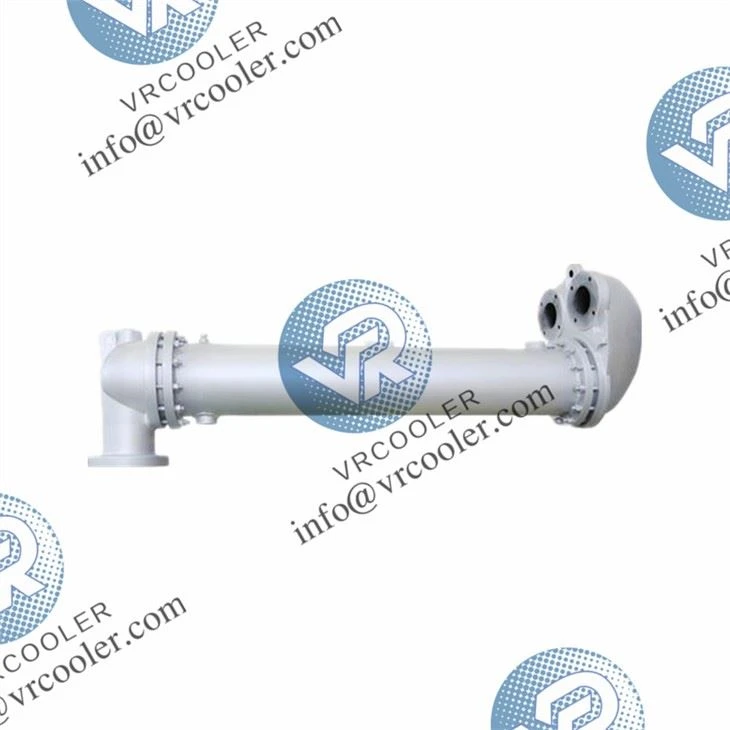

During a particularly hot summer day, the temperature in the plant suddenly spiked due to a malfunction in the ventilation system. However, the Ingersoll Rand aftercoolers were able to quickly adjust to the increased heat load. The intelligent control systems increased the fan speed, and the high - efficiency heat exchangers continued to dissipate heat effectively. As a result, the compressed air temperature remained within the acceptable range, and the production processes were not disrupted.
In another case, an outdoor construction site was hit by a sudden cold front. The Ingersoll Rand oil coolers on the construction equipment were able to adapt to the drop in temperature. The control systems reduced the cooling capacity to prevent over - cooling of the oil, ensuring that the equipment continued to operate smoothly.
Conclusion
In conclusion, Ingersoll Rand coolers are well - equipped to handle sudden temperature changes thanks to their advanced design features, such as high - efficiency heat exchangers and intelligent control systems. Whether it's an aftercooler, oil cooler, or intercooler, these cooling systems can adapt quickly to varying temperature conditions, ensuring the reliable operation of the equipment they are cooling.
If you're in need of a cooling solution that can withstand the challenges of sudden temperature changes, look no further than Ingersoll Rand coolers. As a supplier, I'm here to assist you in finding the right cooler for your specific application. Whether you have a small - scale operation or a large industrial facility, we can provide you with the expertise and products you need. Contact me to start a discussion about your cooling requirements and explore the possibilities of Ingersoll Rand coolers for your business.
References
- Ingersoll Rand Product Manuals
- Industrial Cooling System Design and Operation Guides
- Case studies from various industrial facilities using Ingersoll Rand coolers