

How does an engine oil cooler work in a vehicle with an automatic transmission?
In the realm of vehicle engineering, the engine oil cooler plays a pivotal role, especially in vehicles equipped with automatic transmissions. As a leading Engine Oil Cooler supplier, I am excited to delve into the workings of this essential component and its significance in maintaining the optimal performance of vehicles.
Understanding the Basics of an Engine Oil Cooler
Before we explore how the engine oil cooler functions in a vehicle with an automatic transmission, let's first understand what it is. An engine oil cooler is a device designed to lower the temperature of the engine oil. Engine oil serves multiple crucial functions in a vehicle, including lubricating moving parts, reducing friction, and carrying away heat generated during the engine's operation. However, as the engine runs, the oil temperature can rise significantly, and if left unchecked, this can lead to a decrease in the oil's effectiveness and potentially cause damage to the engine components.
The engine oil cooler works on the principle of heat exchange. It transfers heat from the hot engine oil to a cooler medium, typically air or coolant, thereby reducing the oil's temperature. This process helps to maintain the oil's viscosity and lubricating properties, ensuring smooth engine operation and prolonging the life of the engine and transmission.
The Role of an Engine Oil Cooler in a Vehicle with an Automatic Transmission
In a vehicle with an automatic transmission, the engine oil cooler takes on an even more critical role. Automatic transmissions rely on a complex system of gears, clutches, and hydraulic components to shift gears automatically. These components generate a significant amount of heat during operation, and the transmission fluid, which is similar to engine oil in function, is responsible for lubricating and cooling these components.
The engine oil cooler helps to regulate the temperature of the transmission fluid, which is often circulated through the cooler along with the engine oil. By keeping the transmission fluid at an optimal temperature, the cooler ensures that the transmission operates smoothly and efficiently. This is particularly important in heavy-duty vehicles or those used for towing, where the transmission is under increased stress and generates more heat.
How an Engine Oil Cooler Works
There are two main types of engine oil coolers: air-cooled and liquid-cooled. Let's take a closer look at how each type works.
Air-Cooled Engine Oil Coolers
Air-cooled engine oil coolers are the most common type. They consist of a series of fins and tubes through which the hot engine oil flows. As the vehicle moves, air passes over the fins, absorbing heat from the oil and carrying it away. The design of the fins increases the surface area available for heat transfer, enhancing the cooling efficiency.
The air-cooled engine oil cooler is typically mounted in front of the vehicle, where it can receive a constant flow of fresh air. Some air-cooled coolers also incorporate a fan to increase the airflow over the fins, especially when the vehicle is stationary or moving at low speeds.

Liquid-Cooled Engine Oil Coolers
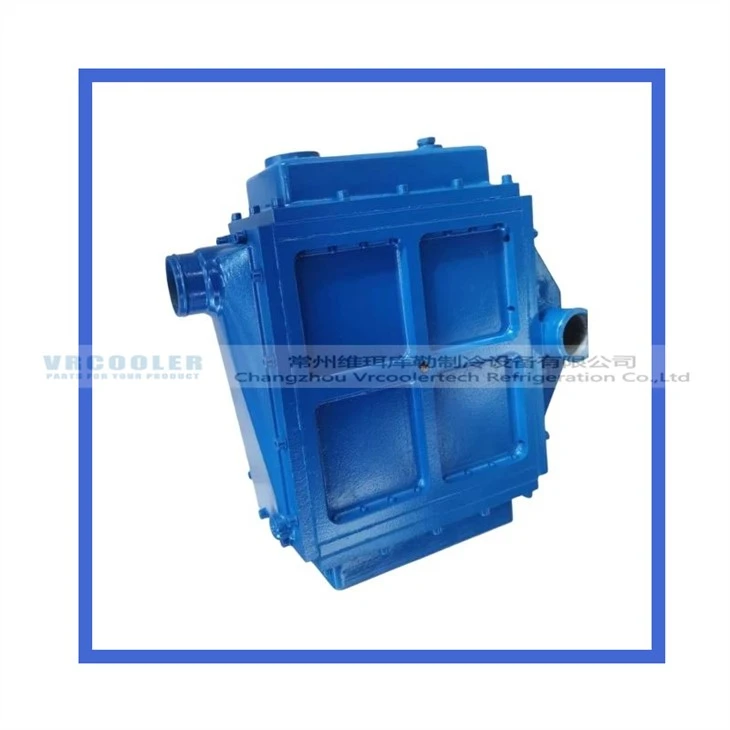
Liquid-cooled engine oil coolers, on the other hand, use coolant from the engine's cooling system to remove heat from the oil. These coolers are usually located within the radiator or in a separate housing connected to the radiator. The hot engine oil flows through a series of tubes, while the coolant circulates around the tubes, absorbing heat from the oil.
Liquid-cooled engine oil coolers are more efficient than air-cooled coolers, as the coolant can absorb more heat per unit volume than air. They are often used in high-performance vehicles or those with large engines that generate a significant amount of heat.
The Importance of a Properly Functioning Engine Oil Cooler
A properly functioning engine oil cooler is essential for the longevity and performance of a vehicle with an automatic transmission. Here are some of the key benefits of having a reliable engine oil cooler:
- Improved Lubrication: By keeping the engine oil and transmission fluid at an optimal temperature, the cooler helps to maintain their lubricating properties. This reduces friction between moving parts, minimizing wear and tear and extending the life of the engine and transmission.
- Enhanced Performance: A cooler engine and transmission operate more efficiently, resulting in improved power output and fuel economy. This is especially noticeable in vehicles with high-performance engines or those used for heavy-duty applications.
- Reduced Risk of Overheating: Overheating can cause serious damage to the engine and transmission. A well-functioning engine oil cooler helps to prevent overheating by dissipating excess heat, ensuring that the vehicle operates within a safe temperature range.
- Longer Oil Life: High temperatures can break down the engine oil and transmission fluid, reducing their effectiveness. By keeping the oil cool, the cooler helps to extend its life, reducing the frequency of oil changes and saving money on maintenance.
Our Range of Engine Oil Coolers
As a trusted Engine Oil Cooler supplier, we offer a wide range of high-quality coolers designed to meet the needs of various vehicles and applications. Our coolers are manufactured using the latest technology and the highest quality materials, ensuring reliable performance and long-lasting durability.
In addition to our standard engine oil coolers, we also offer a variety of specialized coolers, including Aftercooler For DMAX Turbo Diesel Engine, Yanmar 6NY16L Charge Air Cooler, Scavenge Air Intercooler, Charge Air Cooler For Daihatsu DK-20, and Frame Type Charge Air Cooler. These coolers are designed to provide superior cooling performance in specific applications, such as turbocharged engines or heavy-duty vehicles.
Contact Us for Your Engine Oil Cooler Needs
Whether you are a vehicle manufacturer, a repair shop, or an individual looking for a reliable engine oil cooler, we are here to help. Our team of experts can assist you in selecting the right cooler for your vehicle and application, and we offer competitive pricing and excellent customer service.
If you have any questions or would like to discuss your engine oil cooler requirements, please do not hesitate to contact us. We look forward to working with you to ensure the smooth and efficient operation of your vehicle.
References
- Heywood, J. B. (1988). Internal Combustion Engine Fundamentals. McGraw-Hill.
- Crolla, D. A. (2012). The Automotive Transmission Handbook. SAE International.
- Taylor, C. F. (1966). The Internal Combustion Engine in Theory and Practice, Volume I: Thermodynamics, Fluid Flow, Performance. MIT Press.