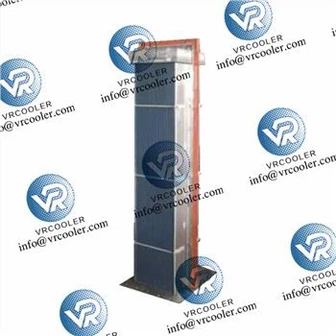
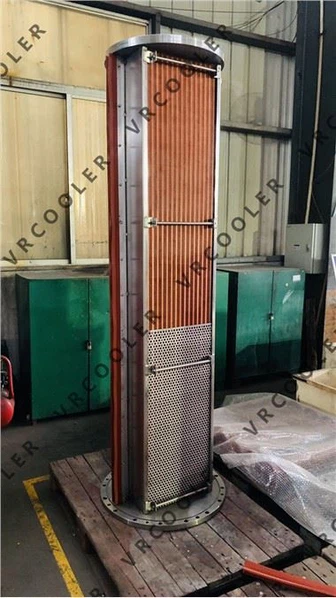
Working Principle Of Marine Engine Intercooler
Working Principle of Marine Engine Intercooler
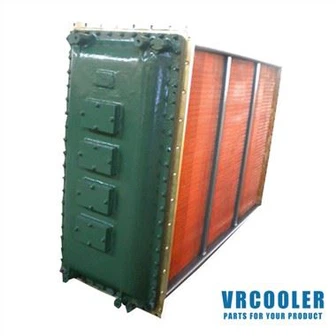
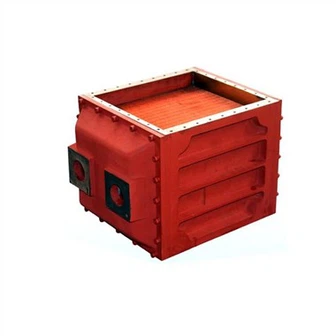
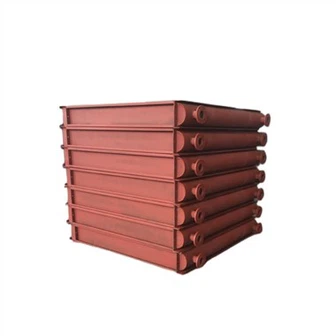
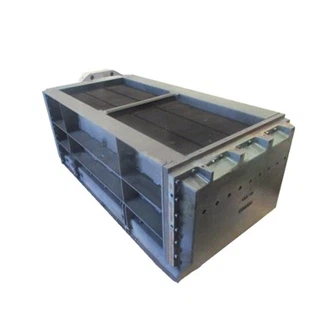
A marine engine intercooler is a device used to cool a marine engine, usually installed in the engine's cooling system. It acts similarly to a radiator in an automobile engine and is used to remove heat from the engine coolant to ensure that the engine maintains a proper operating temperature during operation.
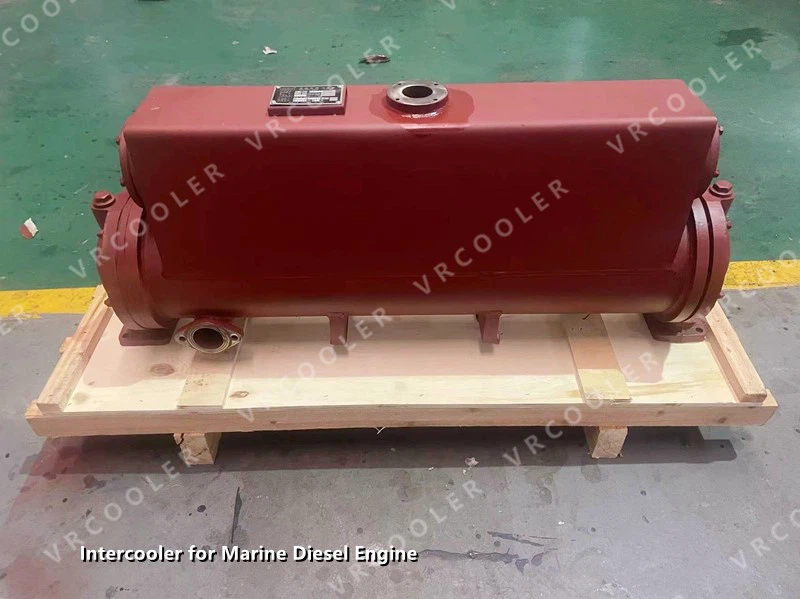
A marine engine intercooler works as follows:
Heat Exchange: The intercooler transfers the heat absorbed in the engine coolant to the surrounding water or air using heat exchange. This heat exchange helps to lower the temperature of the engine coolant, thus keeping the engine within the proper operating temperature range.
Cooling Water: Typically, marine engine intercoolers utilize either seawater or fresh water from the vessel for cooling. The seawater usually enters the intercooler through the cooling water inlet at the bottom of the hull, exchanges heat with the engine coolant inside the intercooler and then exits through the cooling water outlet.
Corrosion protection: As marine engines are often exposed to harsh marine environments, the intercooler is usually made of corrosion-resistant materials such as stainless steel or copper alloys to prevent corrosion of the intercooler by seawater.
Optimization of performance: The design and location of the marine engine intercooler needs to be carefully calculated and optimized to ensure sufficient cooling effect without adversely affecting the operation of the vessel. Various factors such as engine power, loads, sailing conditions and environmental factors need to be taken into account in the design.
Marine engine intercoolers play a key role in ensuring the stable operation of the ship's power system, prolonging engine life and reducing maintenance costs.