Why Gas Gensets Need Heat Recovery
Why Gas Gensets Need Heat Recovery
The Necessity of Heat Recovery for Gas Gensets
Energy Efficiency Improvement
The current situation of energy waste
Gas genset in the operation process, fuel combustion of energy generated only part of the conversion into electricity. Typically, the power generation efficiency of about 30% - 40%, which means that a large amount of energy (about 60% - 70%) in the form of waste heat through the exhaust gas, cooling water and other ways to dissipate. This waste heat, if not recycled, can result in a huge waste of energy.
For example, in a medium-sized gas-fired power station, several megawatt-hours of waste heat may be generated per hour. If this waste heat is discharged directly into the environment, it is not only a waste of energy, but may also cause thermal pollution to the surrounding environment.
Energy Saving Principle of Heat Recovery
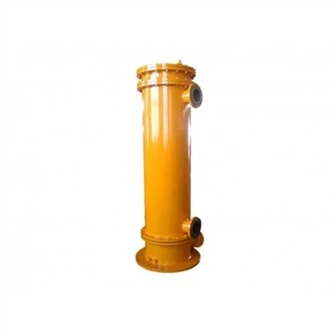
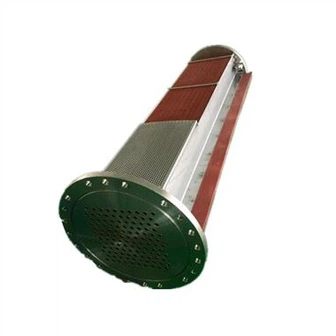
This waste heat can be reused through heat recovery systems such as heat recovery heat exchangers. In the case of preheating boiler feed water, for example, the recovered waste heat can heat the water to a certain temperature before entering the boiler. This reduces fuel consumption in the subsequent steam generation process. Because, according to thermodynamic principles, the amount of heat required to heat water from a lower to a higher temperature is fixed, preheating with waste heat is equivalent to sharing a portion of the heat that would otherwise need to be provided by fuel combustion.
Generally speaking, effective heat recovery can make the comprehensive energy utilization of gas generator sets increased to 70% - 80%, greatly reducing the waste of energy, but also reduces the cost of power generation.

Increased Economic Benefits
Reduced fuel costs
Heat recovery reduces fuel consumption used for other heating processes (such as steam production, hot water supply, etc.). Suppose a company uses a gas-fired genset to generate electricity, and at the same time requires a large amount of steam for the production process. Without heat recovery, all of the steam is produced by a separate gas boiler; with heat recovery, the amount of gas used in the boiler can be reduced by using the waste heat generated by the genset to preheat the boiler feed water or to directly generate some of the steam.
Calculated on the basis of natural gas as fuel, the heat generated from the combustion of each cubic meter of natural gas can be used in more production processes, which can save a large amount of fuel costs each year for a gas-fired power generation facility in long-term operation and improve the economic efficiency of the enterprise.
Return on equipment investment
Although heat recovery equipment (e.g., heat exchangers, piping systems, etc.) requires some initial investment, the return on investment in the long run can be substantial due to savings in fuel costs and possibly other energy consumption. For example, a set of high-quality heat recovery heat exchanger, under reasonable operation and maintenance conditions, can generally recover the investment cost through energy cost savings in about 2 - 3 years, after which it can continue to create economic benefits for the enterprise.

Environmental Protection and Sustainable Development
Reduction of greenhouse gas emissions
Heat recovery reduces fuel consumption for other heating processes, thus indirectly reducing greenhouse gas emissions (e.g. carbon dioxide, methane, etc.). Since carbon dioxide emissions from gas combustion are directly proportional to the amount of fuel burned, the reduction of fuel consumption through heat recovery also reduces emissions of greenhouse gases such as carbon dioxide.
For large gas-fired power producers, this is important for combating climate change and achieving carbon reduction targets. For example, a large gas-fired power station can reduce its CO2 emissions by thousands of tons per year through a heat recovery system.
Improving energy sustainability
From the perspective of energy sustainability, more efficient use of energy resources is an important strategy for coping with energy shortages. Heat recovery in gas-fired generating units is a secondary use of energy, which extends the life cycle of energy and enables limited gas resources to be put to greater use. This is in line with the concept of sustainable development and helps build a more environmentally friendly and efficient energy utilization system.