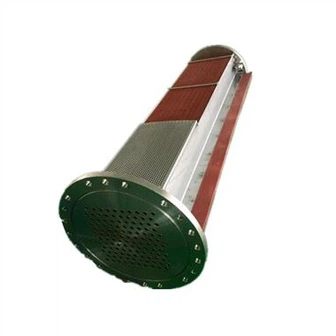
Why Gas Engines Need Coolers
Why Gas Engines Need Coolers
Gas engines need coolers for the following reasons:
Temperature control
A gas engine generates a lot of heat when it works, and a cooler prevents the engine from overheating by taking away the heat through a cooling medium (such as water or air).
Protecting parts
High temperatures can damage internal engine parts such as pistons, cylinders and seals. The cooler extends the life of these parts by cooling them down.
Improves efficiency
High temperatures reduce combustion efficiency. By controlling the temperature, the cooler ensures that the engine runs at the optimum temperature, improving combustion efficiency and power output.

Prevents knocking
High temperatures can cause detonation. The cooler reduces the risk of detonation by lowering the temperature, ensuring smooth engine operation.
Lubrication protection
High temperatures accelerate the aging of lubricating oil. By lowering the temperature, the cooler maintains the effectiveness of the lubricating oil and reduces wear and tear.
Emission Control
High temperatures increase nitrogen oxide emissions. By cooling down, the cooler helps to reduce harmful emissions and meet environmental requirements.
Ensuring Safety
Continued high temperatures can cause fires or explosions, and by cooling down, coolers reduce these risks.
Coolers play a key role in gas engines by controlling temperatures, protecting components, improving efficiency, preventing detonation, protecting lubrication, controlling emissions and ensuring safety.