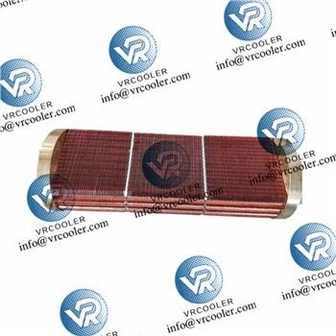
Why Are Dry Coolers Used On Ocean-going Vessels Instead Of Seawater Coolers?
Dry coolers are widely used on ocean-going vessels-often in combination with central cooling systems-because they solve several operational, reliability, and environmental problems that are common with direct seawater cooling. Below are the key reasons why dry coolers are preferred over seawater coolers in many marine applications.

1. Corrosion Resistance and Longer Equipment Life
Seawater is highly corrosive due to its salt content, dissolved oxygen, and biological activity. Even with expensive materials such as titanium or cupronickel, seawater coolers suffer from:
Pitting and crevice corrosion
Galvanic corrosion
Shortened heat exchanger lifespan
Dry coolers operate with a closed freshwater or glycol loop, completely isolating critical machinery (engines, generators, power electronics) from direct seawater exposure, significantly extending system life.
2. Reduced Fouling and Blockage
Seawater cooling systems are prone to fouling from:
Marine organisms (barnacles, algae, shells)
Sand, silt, and debris
Biofouling slime layers
These issues reduce heat transfer efficiency and require frequent cleaning. Dry coolers eliminate seawater fouling entirely, resulting in stable thermal performance and lower maintenance.
3. Lower Maintenance and Operational Downtime
Seawater coolers require:
Regular tube cleaning
Chemical treatment systems
Frequent inspection of strainers and pumps
Dry coolers are air-cooled, with maintenance limited mainly to fan inspection and occasional fin cleaning. This is especially important for vessels operating long voyages or with limited maintenance windows.
4. Improved Reliability and Redundancy at Sea
Ocean-going vessels demand high reliability. Dry cooler systems:
Have fewer failure points (no seawater pumps or filters)
Are less sensitive to seawater temperature variation
Can be designed with multiple fans for redundancy
This reduces the risk of cooling failure during critical operations such as propulsion, power generation, or dynamic positioning.
5. Protection Against Contamination Risks
A leak in a seawater cooler can cause:
Seawater ingress into lubricating oil or freshwater circuits
Damage to engines, bearings, and power electronics
Costly repairs and operational delays
Dry coolers prevent cross-contamination by maintaining a closed-loop cooling system, improving safety and protecting high-value equipment.
6. Compliance with Environmental and Regulatory Requirements
Modern marine regulations increasingly restrict:
Discharge of chemically treated seawater
Biofouling transfer between ports
Environmental impact of cooling systems
Dry coolers support compliance with IMO environmental standards by minimizing seawater intake and discharge and eliminating the need for chemical treatments.
7. Stable Performance in Variable Seawater Conditions
Seawater temperature, salinity, and contamination levels vary widely depending on:
Geographic location
Seasonal changes
Port vs. open-sea operation
Dry coolers provide consistent cooling performance independent of seawater quality, which is especially valuable for global trading vessels.
8. Integration with Central Cooling Systems (CCS)
Most modern ocean-going vessels use a central freshwater cooling system, where:
Seawater is only used in a small, controlled heat exchanger (or eliminated entirely)
Dry coolers dissipate heat to ambient air
Engines, generators, converters, and HVAC share a common loop
This architecture improves efficiency, safety, and ease of maintenance.
Comparison: Dry Coolers vs. Seawater Coolers on Ships
| Aspect | Dry Cooler | Seawater Cooler |
|---|---|---|
| Corrosion risk | Very low | Very high |
| Fouling | None | Severe |
| Maintenance | Low | High |
| Leak contamination | No risk | High risk |
| Environmental compliance | Easy | Increasingly complex |
| System reliability | High | Moderate |
Conclusion
Dry coolers are used on ocean-going vessels instead of direct seawater coolers because they offer superior reliability, lower maintenance, longer service life, and improved environmental compliance. By isolating critical shipboard systems from corrosive seawater and fouling risks, dry coolers ensure safer and more efficient vessel operation-making them a preferred cooling solution for modern marine engineering.