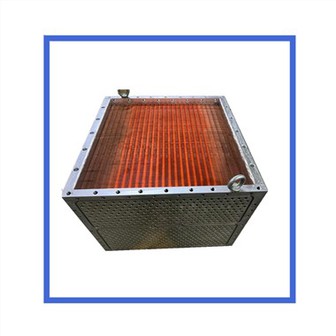
What Maintenance Is Required For A Marine Box Cooler?
A marine box cooler requires relatively low maintenance compared to traditional seawater cooling systems, but regular inspection and preventive care are essential to ensure long-term efficiency and reliability.

Key maintenance tasks include:
- Periodic Cleaning of the Sea Chest
Remove marine growth, mud, or debris that may reduce seawater circulation around the tubes.
Cleaning frequency depends on water conditions (typically every 3–6 months).
- Inspection of Tubes and Frames
Check for signs of corrosion, scaling, or mechanical damage.
Clean tube surfaces using soft brushes or approved chemical methods if fouling is detected.
- Anode Replacement and Anti-Fouling System Check
Inspect and replace sacrificial anodes or maintain impressed current anti-fouling (ICAF) systems as needed.
This prevents marine growth and protects metal surfaces from electrochemical corrosion.
- Coating Condition Monitoring
Inspect epoxy or anti-fouling coatings on the box cooler casing and tube bundle.
Repair any damaged coating to maintain corrosion resistance.
- Performance Monitoring
Regularly check temperature differentials between inlet and outlet fluids.
A sudden increase in temperature or reduced heat transfer efficiency often indicates fouling or poor seawater circulation.
Summary:
Routine visual inspections, cleaning, and anode maintenance are usually sufficient to keep a marine box cooler in excellent operating condition. With proper care, the equipment can provide long-term, trouble-free cooling for marine engines and auxiliary systems.