What Is The Tube Bundle Heat Exchanger?
What is the tube bundle heat exchanger?
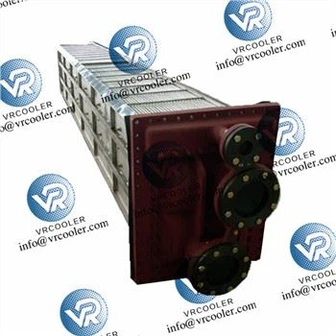
A tube bundle heat exchanger is a type of heat exchanger that uses a bundle of tubes to transfer heat between two fluids. The tube bundle is typically housed in a shell, and the two fluids flow in opposite directions, with one fluid flowing through the tubes and the other flowing over the outer surface of the tubes.
The heat transfer occurs through convection, as the hot fluid inside the tubes transfers heat to the cooler fluid flowing over the tubes. The tube bundle design maximizes the surface area available for heat transfer, allowing for efficient transfer of heat between the two fluids.
Tube bundle heat exchangers are commonly used in industrial applications, such as chemical plants, refineries, and power plants, where they are used to transfer heat between fluids used in various processes. They can also be found in HVAC systems, where they are used to cool or heat air as it flows through the system. Tube bundle heat exchangers are known for their efficiency, reliability, and versatility, and are often used in applications where high heat transfer rates are required.
Tube bundle heat exchangers come in various designs, including straight-tube, U-tube, and spiral-tube designs. Straight-tube designs consist of a bundle of straight tubes mounted within a cylindrical shell, while U-tube designs consist of a bundle of U-shaped tubes mounted within a shell. Spiral-tube designs consist of a bundle of tubes arranged in a spiral pattern within a shell.
Tube bundle heat exchangers can be made from a variety of materials, including carbon steel, stainless steel, and non-ferrous metals such as copper, brass, and aluminum. The choice of material depends on the specific application and the characteristics of the fluids being used.
Tube bundle heat exchangers can also be designed for different types of heat transfer, including single-phase heat transfer (where both fluids are in a liquid or gas state), two-phase heat transfer (where one fluid is in a liquid state and the other is in a gas state), and condensation heat transfer (where a gas is condensed into a liquid).
In addition, tube bundle heat exchangers can be designed for different flow configurations, including counterflow (where the two fluids flow in opposite directions), parallel flow (where the two fluids flow in the same direction), and crossflow (where the two fluids flow perpendicular to each other).
Overall, tube bundle heat exchangers are a widely used and highly effective means of transferring heat between two fluids in a variety of industrial and commercial applications.

Tube bundles are commonly used in a variety of industrial applications, particularly in heat transfer systems. A tube bundle consists of a set of tubes arranged in a cylindrical or rectangular shape and mounted in a shell. The shell is typically filled with a fluid, such as water or air, which flows over the outer surface of the tubes, allowing heat to be transferred from the inner fluid flowing through the tubes to the outer fluid.
Some common applications of tube bundles include:
Heat exchangers: Tube bundles are commonly used in heat exchangers to transfer heat from one fluid to another. They are often used in chemical plants, refineries, and power plants to transfer heat between fluids used in various processes.
Boilers: Tube bundles are also used in boilers to generate steam. The tubes are filled with water, which is heated by the combustion of fuel in the boiler. The steam produced by the heated water can then be used to power turbines and generate electricity.
Air conditioning systems: Tube bundles are used in air conditioning systems to transfer heat from the air inside a building to the refrigerant fluid flowing through the tubes. This allows the system to cool the air inside the building.
Oil coolers: Tube bundles can also be used in oil coolers to cool the oil used in hydraulic systems or other machinery. The oil flows through the tubes, while a coolant fluid flows over the outer surface of the tubes, transferring heat from the oil to the coolant.
Process piping: Tube bundles can be used in process piping systems to transfer heat between different fluids used in various processes. They can also be used to cool or heat fluids as needed.