What Is The Purpose Of A Generator Air Cooler?
What is the purpose of a generator air cooler?
The main function of a generator air cooler is to dissipate heat. In an air cooling system, air is used as a cooling medium to keep the temperature of the generator within a controlled range by removing the heat generated by the generator from the surrounding air.
A generator generates heat during operation due to the passage of electric current through the coils and other electrical components.

If heat is not dissipated in a timely manner, the temperature of the generator will continue to rise, which can lead to the following problems:
Overheating damage: High temperatures can cause damage to internal generator components, reducing the life and reliability of the generator.
Power loss: Excessive temperatures increase resistance and losses, reducing the efficiency of the generator and therefore its power generation capacity.
Safety Risks: Overheating can cause the generator to fail, which can lead to fire or other safety issues.
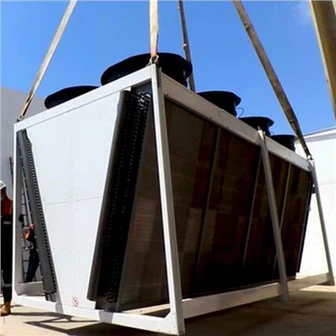
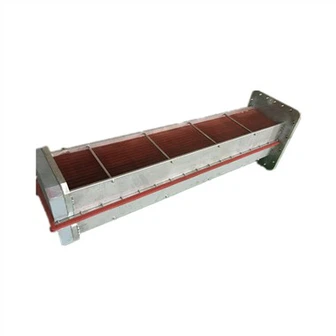
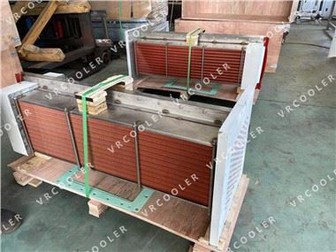
Generator air coolers are usually designed using the radiator principle. The air cooler is located around the generator and is connected to the internal heat dissipation surfaces of the generator. By means of a fan or blades, air is guided through the cooler, causing it to come into contact with the heat dissipating surfaces, thus carrying away heat. In this way, the temperature of the generator is kept within safe limits by the constant circulation of air flow.
Air coolers are a common type of cooling system in many generators, especially for small to medium-sized generators and certain specialised applications, where they are a simple, cost-effective and efficient way to dissipate heat. for large, high-power generators, more sophisticated cooling systems, such as water cooling or hydrogen cooling, may be required to meet higher heat dissipation needs.