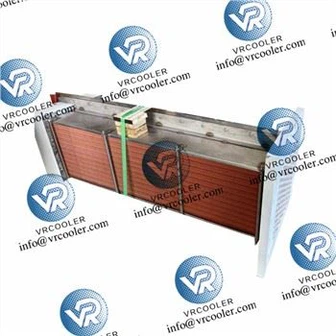
What Is The Purpose Of A Dry Cooler in A Gas Engine?
What is the purpose of a dry cooler in a gas engine?
The Dry Cooler in a gas engine is an air-cooled device, mainly used for heat dissipation. Its function is to transfer the heat generated by the engine to the cooling medium (usually air) and, by cooling the medium with air, to dissipate the heat into the air in order to maintain the normal operating temperature of the engine.
Compared to traditional water cooling, dry coolers do not require the use of water to transfer heat and therefore do not require the use of equipment such as pumps and water towers, making them more convenient and energy efficient to use. In addition, dry coolers have the added benefit of preventing limescale and corrosion, avoiding the problems that can be associated with water cooling methods.

In gas engines, a dry cooler is often used in the cooling system of a generator set to maintain the set's normal operating temperature. It can dissipate heat by installing fans or air coolers around the generator set to dissipate the heat into the air. Also, the dry cooler can be configured to suit different environmental and climatic conditions to ensure the normal operation of the generator set in various operating environments.
In summary, the main function of a dry cooler in a gas engine is to dissipate the heat generated by the engine into the air through the cooling of the medium by air in order to maintain the normal operating temperature of the engine. It has the advantages of convenience, energy saving, scale prevention and corrosion prevention, and is suitable for different environmental and climatic conditions, and is an important part of the gas engine cooling system.