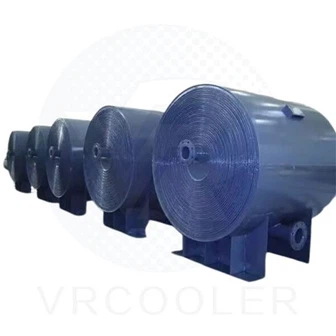
What Is The Function Of The Generator Air Cooler?
A generator air cooler is a device used to cool a generator, and its main function is to reduce the temperature of the generator to ensure that it operates within the normal operating temperature range. Generators generate a lot of heat during operation, so they require an effective cooling system to prevent overheating and maintain the stability and longevity of the equipment.
The following are the main functions of a generator air cooler:
Heat Discharge: During the operation of the generator, the passage of current through the windings and rotor creates a certain amount of resistance that causes the generator to heat up. The air cooler achieves heat emission by introducing a cooling medium (usually air) into the generator, taking away the heat inside the generator, and then discharging the hot air into the environment.
Temperature Control: Keeping the generator within the proper operating temperature range is critical to equipment reliability and performance. Air coolers can help control generator temperatures, preventing damage caused by overheating and ensuring that the generator is able to operate reliably.
Extended life: Through effective cooling, air coolers help extend the life of the generator. Excessive temperatures can lead to deterioration of insulation and increased wear and tear on motor components, so a good cooling system is critical to the life and reliability of the equipment.
Increased Efficiency: By maintaining proper temperatures, air coolers help increase the efficiency of the generator. Within the normal operating temperature range, the resistance of the generator decreases, resulting in less energy loss from current flow, thus increasing the efficiency of the overall power generation system.