What Is The Difference Between Intercooler And Aftercooler in Engine?
What is the difference between an engine intercooler and an aftercooler?
An intercooler and an aftercooler are identical devices with the same purpose.
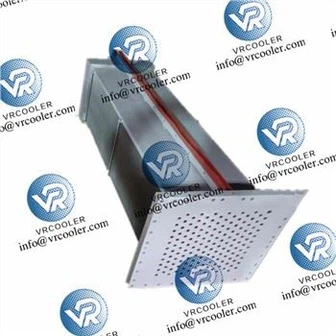
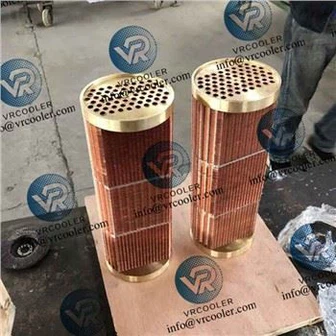
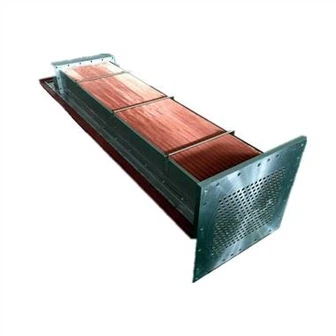
Often, the intercooler or aftercooler is referred to as a charge air cooler. A charge air cooler is used to cool engine air after it has passed through a turbocharger (or mechanical supercharger) but before it enters the engine. The idea is to return the air to a lower temperature (i.e. close to ambient temperature) in order to obtain optimum power for the combustion process within the engine.
What are the advantages of using a charge air cooler?
The "charge air cooler", an air-to-air or air-to-liquid heat exchange device, is used in turbocharged and supercharged (forced induction) internal combustion engines to increase their volumetric efficiency by increasing the intake air charge density through isovolumetric cooling . The reduction in intake air temperature provides a denser intake for the engine and allows more air and fuel to be burned per engine cycle, thereby increasing engine output.
The charge air cooler increases the efficiency of the induction system by reducing the heat of the induction air produced by the supercharger or turbocharger and promoting a more complete combustion. This eliminates the heat of compression (i.e. temperature increase) that occurs when any gas increases in pressure or per unit mass (density) per unit volume (density).
The reduction in intake charge air temperature due to forced air intake maintains the use of a more intensive intake charge to the engine. The reduced intake charge air temperature also eliminates the risk of fuel/air charge pre-bursting (popping) prior to timed spark ignition. This retains the benefit of burning more fuel/air per engine cycle, increasing engine output.
The charge air cooler also eliminates the need to use the wasteful method of lowering the intake air temperature by injecting excess fuel into the intake chamber of the cylinder to cool the intake air before it flows into the cylinder. This wasteful practice (when an intercooler is not used) almost cancels out the engine efficiency gains from forced air intake, but is necessary because of the greater need to prevent engine damage from pre-burst engine bursts at all costs.
So why do we have different names for the same equipment?
In the past, aircraft engines would run turbochargers in stages, where the first stage compressor would feed the inlet to the second stage compressor, which would compress the air further before it entered the engine. Because of the extremely high pressures generated, a charge air cooler was placed between the first and second stage compressors. This cooler is the "intercooler".
Another charge air cooler is placed after the second stage, the final compressor stage, the "aftercooler". The aftercooler is the cooler whose outlet feeds the engine.
This term is now considered obsolete in modern automotive terminology, as most forced induction vehicles have a single stage supercharger or turbocharger. The term intercooler is widely used to denote between the turbocharger and the engine. The terms intercooler or aftercooler are both correct, but this is the source of the two terms used interchangeably by specialists at all levels.
In vehicles equipped with two-stage turbocharging, it is possible to have both an intercooler (between the two turbocharger units) and an aftercooler (between the second-stream turbocharger and the engine). The JCB Diesel max, the land speed record holder, is an example of such a system (four cylinders and 5 litres displacement, accompanied by a two-stage turbocharger, an intercooler and an aftercooler).