What Is A Remote Radiator For A Diesel Generator?
What is a remote radiator for a diesel generator?
In the context of a diesel generator, a remote radiator is a separate cooling system that is used to dissipate heat generated by the engine. It is typically used in situations where the generator is located in a confined space where the ambient air is not sufficient to cool the engine.
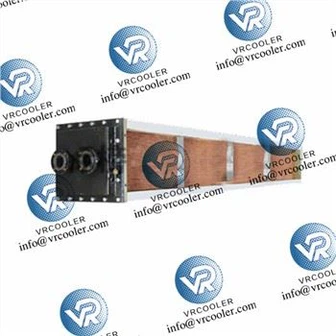
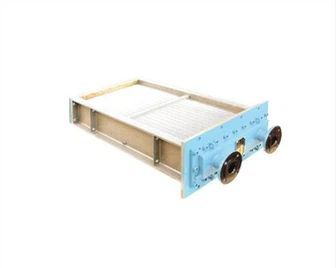
The remote radiator for a diesel generator consists of a heat exchanger that is located outside the generator enclosure. The heat exchanger is connected to the engine's cooling system through a set of pipes or hoses. A pump circulates the coolant through the engine and the remote radiator.
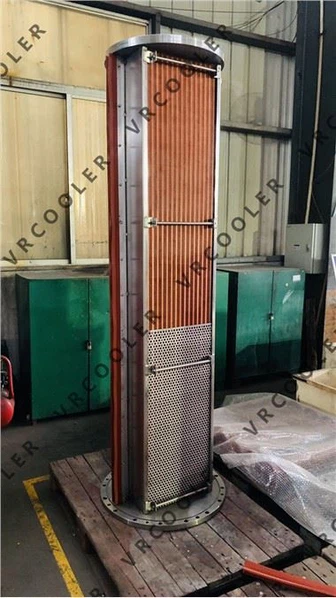
The remote radiator for a diesel generator can be air-cooled or liquid-cooled. An air-cooled radiator uses a fan to circulate ambient air over a set of fins or tubes to dissipate heat. A liquid-cooled radiator uses a separate cooling loop that is filled with a coolant, such as water or a mixture of water and antifreeze. The coolant absorbs heat from the engine and is circulated through the remote radiator to dissipate the heat.
Remote radiators for diesel generators are commonly used in applications where the generator is located in a basement, an underground vault, or a building where there is limited space for ventilation. They are also used in applications where noise levels from the generator need to be reduced, as the remote radiator can be located farther away from the generator enclosure.

Details about remote radiators for generators:
Sizing: The size of the remote radiator depends on the capacity of the generator and the ambient temperature conditions. A larger generator will require a larger radiator to dissipate the heat generated by the engine. Similarly, higher ambient temperatures will require a larger radiator to ensure proper cooling.
Placement: The remote radiator should be placed in a location where there is sufficient ventilation to allow air to flow over the fins or tubes. It should also be located at a sufficient distance from the generator to prevent the heated air from recirculating back to the engine.
Maintenance: Remote radiators require regular maintenance to ensure proper operation. The fins or tubes must be kept clean and free of debris to allow for proper air flow. The coolant level and quality must be monitored and maintained to prevent corrosion and overheating.
Pump: The coolant pump for the remote radiator can be either engine-driven or electrically driven. An engine-driven pump is typically used in smaller generators, while an electrically driven pump is used in larger generators where the engine does not have sufficient power to drive the pump.
Controls: Remote radiators can be equipped with temperature sensors and controls to monitor the coolant temperature and adjust the speed of the fan or pump as needed. This helps to ensure proper cooling and prevent overheating.
Overall, a remote radiator is an important component of a generator cooling system, especially in applications where the generator is located in a confined or poorly ventilated space. Proper sizing, placement, and maintenance are essential to ensure reliable and efficient operation of the generator and cooling system.