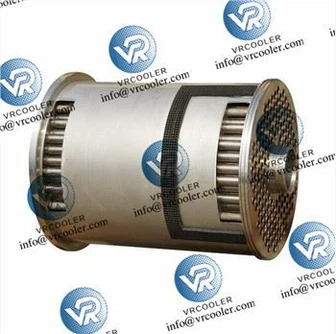
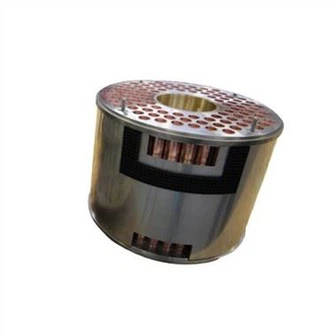
What Does A Generator Hydrogen Cooler Do?
What does a generator hydrogen cooler do?
The main function of a generator hydrogen cooler is to control the temperature of the generator to ensure that it remains within a safe and stable operating temperature range under high power and high load operating conditions. It is a highly efficient cooling system specifically designed for use in large, high-power generators.
The role of the generator hydrogen cooler includes:
Dissipation of heat: When a large, high-power generator is in operation, it generates a large amount of heat. The hydrogen cooler efficiently absorbs the heat generated inside the generator and carries it away by using hydrogen as the cooling medium. This prevents the generator from overheating and keeps it within a safe temperature range.
Increased efficiency: By effectively controlling the temperature of the generator, hydrogen coolers help to increase the thermal efficiency of the generator. Operating within the appropriate temperature range reduces energy loss and improves the overall efficiency of the generator.
Prolong life: Excessive operating temperatures can lead to wear and fatigue of the generator's internal components, shortening the life of the generator. The use of a hydrogen cooler can reduce the generator's operating temperature, thus extending the generator's life.
Improved stability: By controlling the temperature, the hydrogen cooler helps maintain the stability of the generator. Stable operating temperatures help prevent erratic performance or operational problems with the generator due to temperature changes.
Suitable for high power: Hydrogen coolers are suitable for large, high-power generators, especially in special application scenarios such as nuclear power plants and other environments that require extremely high reliability and thermal performance.