Water And Oil Heat Exchanger
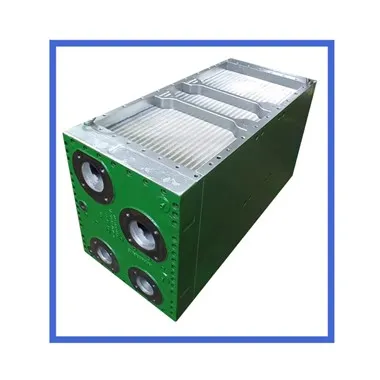
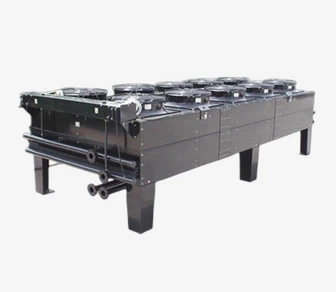
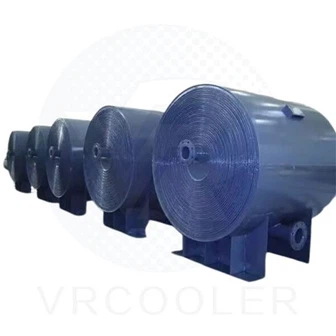
A Water and Oil Heat Exchanger is a common device used to exchange heat between water and lubricating oil in marine, diesel engines and other industrial applications. The function of this heat exchanger is to transfer heat from the lubricating oil to the circulating water or heat from the circulating water to the lubricating oil to control the temperature in the system.
Principle of operation and construction:
Water cools the lubricating oil:
In some cases, the lubricating oil may overheat and require cooling to control the operating temperature of the engine or equipment.
The structure of a water and lube oil heat exchanger consists of two main passages: one for the lube oil and the other for the circulating water.
The lubricating oil enters the heat exchanger from the engine or equipment's oil circuit into one channel, while the circulating water enters through the other channel.
In the heat exchanger, heat is exchanged between the water and the lubricating oil through metal walls, and heat is transferred from the lubricating oil to the water.
The cooled lubricant re-enters the engine or equipment's lubrication system, while the heated water is sent to the cooler or discharged to the outside.
Water cooler lubricant:
Alternatively, in some systems, the water may be too hot and require cooling.
The passages for lubricating oil and circulating water are reversed in a heat exchanger: the circulating water enters the heat exchanger from the equipment or engine in one passage, and the lubricating oil enters in the other.
In the heat exchanger, heat exchange transfers heat from the water to the lubricant, cooling the water.
The cooled water is again fed into the cooling system of the equipment or engine, while the heated lubricating oil enters the lubrication system.

Applications and Advantages:
Diesel Engine: In diesel engines such as ships and generator sets, water and lubricating oil heat exchangers are commonly used to control the temperature of the lubricating oil and water in the engine.
Marine: It is often used in ships to control the temperature of the lubricating oil in the main engine or auxiliary engine to ensure the normal operation of the engine.
Industrial applications: in many industrial fields, lubricating oil and water heat exchangers are also widely used to control the temperature of mechanical equipment, hydraulic systems, and so on.
Advantage:
Effectively control the temperature of lubricating oil and water to protect the operational stability and life of the equipment or engine.
Improved system efficiency and performance.
Reduced energy consumption and losses.