Waste Heat Recovery For Power Generation DG Sets
Waste heat recovery for power generation DG Sets
Waste heat recovery from power generation DG (diesel generator) sets is an important technology for improving energy efficiency and reducing environmental impact.
Significance of Waste Heat Recovery
Energy Conservation: A large amount of heat is generated during the operation of DG sets, and this waste heat, if not utilized, is dissipated into the atmosphere, resulting in energy waste. By recovering this waste heat, it can be used for other purposes such as power generation, heating, or cooling, thereby improving the overall energy efficiency of the system.
Environmental Protection: The recovery of waste heat helps to reduce the amount of heat released into the environment, which is beneficial for alleviating the urban heat island effect. Moreover, by using waste heat for power generation, the consumption of fossil fuels can be reduced, thereby reducing carbon dioxide and other greenhouse gas emissions.
Common Waste Heat Recovery Methods
Exhaust Gas Heat Recovery
Steam Generation: The exhaust gas of DG sets has a relatively high temperature (usually 400 - 500 °C). A waste heat boiler can be installed in the exhaust gas pipeline. The heat of the exhaust gas is used to heat water to generate steam. This steam can be used for power generation by driving a steam turbine - generator set, or it can be used for industrial processes such as heating and humidification.
Hot Water Generation: Instead of generating steam, the exhaust gas can also be used to heat water directly to produce hot water. This hot water can be used for domestic hot water supply in factories or office buildings, or for space heating in winter. For example, some DG sets with an exhaust temperature of 450 °C can recover 470,000 kcal/h of heat, which can meet a large part of the hot water demand.
Lubricating Oil Heat Recovery: The lubricating oil of DG sets also absorbs a certain amount of heat during operation. Heat exchangers can be used to transfer the heat of the lubricating oil to a heat - absorbing medium such as water or oil. The heated medium can then be used for heating or other purposes. Although the temperature of the lubricating oil is relatively low, usually around 80 - 100 °C, the heat recovery from the lubricating oil can still improve the overall energy efficiency of the system.
Waste Heat Recovery System Design
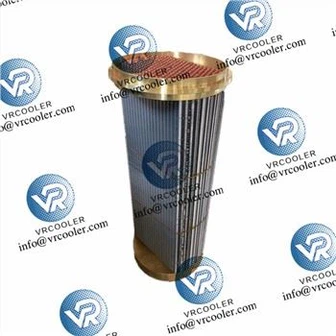
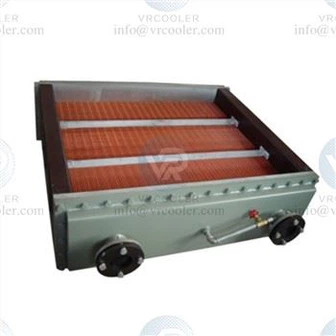
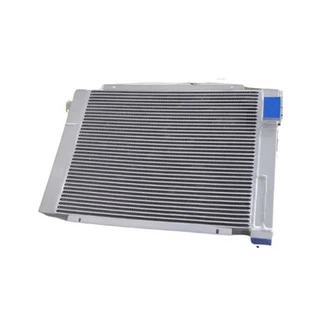
Heat Exchanger Selection: The heat exchanger is a key component of the waste heat recovery system. It is necessary to select a heat exchanger with high heat transfer efficiency and good corrosion resistance according to the characteristics of the waste heat source and the heat - absorbing medium. For example, plate - fin heat exchangers are suitable for gas - to - gas heat exchange, while shell - and - tube heat exchangers are suitable for liquid - to - liquid or gas - to - liquid heat exchange.
System Layout: The layout of the waste heat recovery system should consider factors such as the installation location of the DG set, the flow direction of the waste heat source, and the use of the recovered heat. The pipeline layout should be as short as possible to reduce heat loss and pressure drop. At the same time, necessary valves, pumps, and other accessories should be installed to ensure the normal operation of the system.
Control System: A reasonable control system should be designed for the waste heat recovery system to realize the automatic control of the system. For example, the temperature and flow of the waste heat source and the heat - absorbing medium can be monitored in real - time, and the operation of the system can be adjusted according to the actual situation to ensure the stable operation of the system and the maximum recovery of waste heat.