Waste Heat Recovery For Air Compressor / Engine / Generator
Air compressor waste heat recovery is a process of energy recovery and reuse using the heat generated during the operation of an air compressor. During the operation of an air compressor, a large amount of heat is generated due to mechanical friction and the process of compressing air. Usually, this waste heat is emitted into the surrounding environment, resulting in a waste of energy.
In order to improve the energy efficiency of air compressors and save energy, waste heat recovery technology is widely adopted.

Waste heat recovery usually includes the following steps:
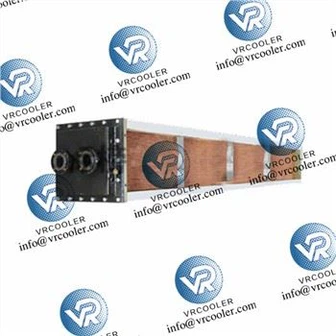
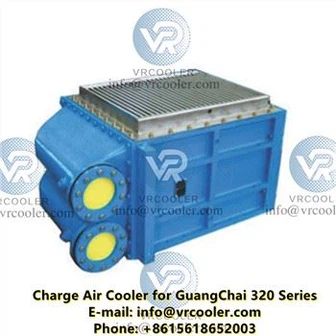
Heat exchanger: Installed in the exhaust line of the air compressor, it is used to transfer waste heat from compressed air to other media, such as water or air. Through the heat exchanger, the waste heat can be transferred and the energy recovered.
Energy recovery: After passing through the heat exchanger, the energy from the waste heat is transferred to the target medium, e.g. hot water. In this way, the resulting hot water can be used for heating, heating requirements in industrial processes or other ways of utilising thermal energy.
System optimisation: In waste heat recovery, the system needs to be optimised to ensure efficient heat exchange. This includes the proper design and selection of heat exchangers, monitoring and control systems.
Through waste heat recovery, the energy use efficiency of the air compressor is improved, which not only reduces the waste of energy, but also reduces energy costs, and has a certain energy saving and emission reduction effect on the environment. Therefore, waste heat recovery technology is widely used in industrial production. In the actual application process, it is necessary to choose the appropriate waste heat recovery programme according to the specific type of air compressor, working conditions and energy use requirements.