Tube Bundle For Heat Exchangers
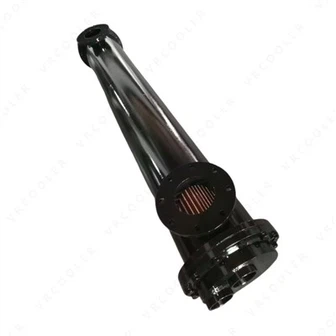
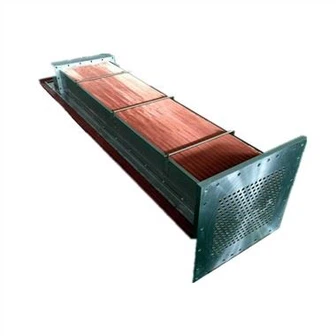
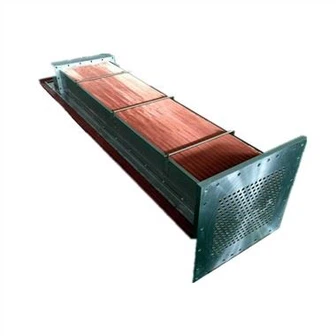
A tube bundle is the core heat transfer element inside a shell-and-tube heat exchanger. It consists of a series of parallel straight or U-shaped tubes, held together by tube sheets and structural supports, where one fluid flows through the tubes while another flows across the outside to transfer heat.
Key Design Components
Tubes: The primary surface area for heat exchange. They are available as smooth, micro-finned, or corrugated to increase thermal performance.
Tubesheet: Plates drilled with holes where the tubes are inserted and secured (by rolling, welding, or both). It acts as a barrier separating the inside fluid from the outside fluid.
Baffles: Internal plates installed inside the shell. They direct the flow of the shell-side fluid perpendicular to the tubes, which increases turbulence and maximizes heat transfer efficiency.
Tie Rods & Spacers: Structural bars that hold the baffle plates at a fixed distance from one another.
Common Configurations
U-Tube Bundles: The tubes bend 180° and terminate at a single tubesheet. This allows the bundle to expand and contract freely, making it ideal for severe thermal expansion situations.
Straight Tube Bundles: Tubes are straight and pass through tubesheets at both ends. They allow for easy mechanical cleaning on the inside of the tubes.
Materials
Because they handle aggressive process fluids and extreme temperatures, bundles are engineered for durability. Common materials include: Stainless steel, Copper and Cupronickel (often used in HVAC and commercial water heaters), Titanium (for highly corrosive environments like saltwater), Carbon steel