The Difference Between Fresh Water Cooler And Lube Oil Coolers
The Difference Between Fresh Water Cooler and Lube Oil Coolers
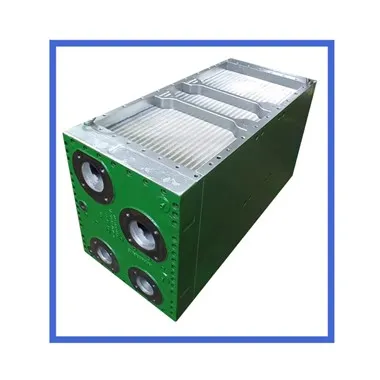
Fresh water cooler and lube oil coolers are two different types of coolers used to reduce the temperature in a system.
Below is a brief description of both types of coolers:
Freshwater Cooler (Freshwater Cooler):
Function: Freshwater coolers are primarily used to cool water, usually fresh water. The main function of this type of cooler is to reduce the temperature in the system by water cooling to prevent overheating of the equipment.
Applications: Fresh water coolers are widely used in ships, power plants, industrial equipment, etc., where the heat generated in the equipment or system needs to be quickly dissipated to the surrounding environment.
Lube Oil Cooler:
Function: Lube oil coolers are used to cool lubricating oil to ensure that the temperature of the oil in an engine or other rotating machinery remains within the proper operating range. Maintaining proper oil temperatures helps extend the life of mechanical components and improves system efficiency.
Applications: Slick oil coolers are commonly found in internal combustion engines, turbines, generators, and other mechanical equipment. These devices need to maintain a stable oil temperature during operation to ensure lubricant effectiveness and system reliability.
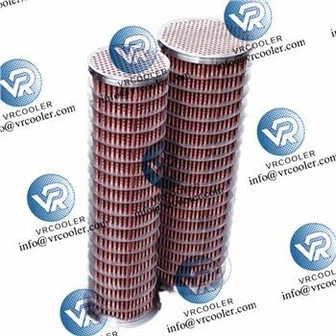
In practice, these two types of coolers may differ in design and operating principle to suit the specific operating environment and application requirements. A cooler typically consists of a set of tubes or heat exchanger surfaces through which heat is transferred to a cooling medium (water or air) to achieve a cooling effect. Maintaining proper temperatures is critical to the stable operation of mechanical equipment and industrial systems.