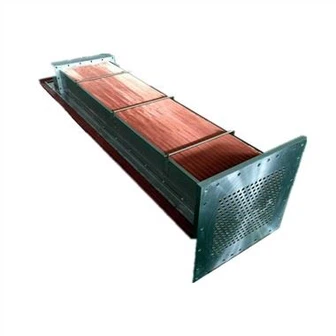
Tailor Made Shell Tube Heat Exchanger With ASME Standard
Tailor Made Shell Tube Heat Exchanger with ASME Standard


How to Select an ASME-Compliant Shell & Tube Heat Exchanger?
When selecting an ASME-compliant shell-and-tube heat exchanger, consider the following key factors:
Heat load and heat transfer requirements: Specify the amount of heat to be exchanged, the inlet and outlet temperatures of the medium, the flow rate, and other parameters to determine the heat transfer capacity of the heat exchanger.
Working pressure and temperature: According to the operating pressure and temperature conditions of the system to ensure that the design pressure and temperature of the heat exchanger can meet the requirements.
Material selection: ASME standards for heat exchanger materials used in strict regulations. Consider the corrosiveness of the medium, the working environment and other factors, select the appropriate pipe, plate and head material, such as carbon steel, stainless steel, alloy steel and so on.
Size and space constraints: Consider the space size of the installation location, determine the external dimensions of the heat exchanger and the location of the receiver to ensure that it can be adapted to the installation environment.
Fluid characteristics: understand the shell and tube fluid properties, such as viscosity, cleanliness, whether easy to scale, etc., which will affect the structural design of the heat exchanger and fluid flow.