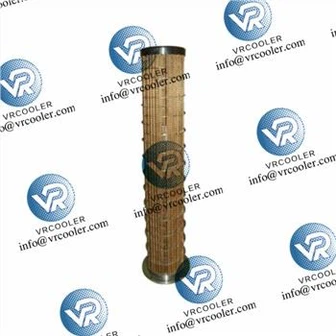
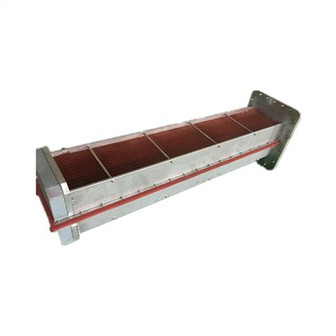
Stator Water Coolers Are Cooling Systems Used in Large Electric Motors
Stator Water Coolers
Stator water coolers are cooling systems used in large electric motors to dissipate heat generated by the stator windings. The stator windings are the stationary part of an electric motor that create a magnetic field when electricity flows through them. This magnetic field interacts with the rotating magnetic field generated by the rotor to create the torque necessary to drive the motor.
During operation, the stator windings generate heat due to electrical resistance, and if the temperature is not controlled, the motor can be damaged or even fail. Stator water coolers use a flow of water to absorb the heat from the stator windings and transfer it to a heat exchanger, where it can be dissipated to the surrounding environment.
Stator water coolers can be used in a wide range of applications, including large industrial motors used in mining, petrochemical, and other heavy industries. The water used in stator water coolers can be either fresh water or seawater, depending on the application and availability of water sources.
Stator water coolers typically consist of a water circulation system, a heat exchanger, and associated controls and instrumentation. The water circulation system usually includes a pump to circulate the water through the stator windings and heat exchanger, as well as valves and piping to control the flow rate and direction of the water.
The heat exchanger is designed to transfer the heat from the stator windings to the water circulating through it. There are several types of heat exchangers commonly used in stator water cooling systems, including shell-and-tube, plate-and-frame, and brazed-plate heat exchangers. The choice of heat exchanger depends on factors such as the flow rate and temperature of the cooling water, the desired heat transfer rate, and the space available for installation.
Stator water coolers are typically controlled by a combination of temperature sensors and control valves that regulate the flow of cooling water based on the temperature of the stator windings. Some systems may also include monitoring equipment to detect changes in the water quality, such as pH or conductivity, which can indicate fouling or corrosion in the system.

In addition to cooling the stator windings, some stator water cooling systems may also be designed to cool other components of the electric motor, such as the bearings and rotor. This can help to further extend the lifespan of the motor and improve its overall efficiency.
There are several advantages to using stator water coolers over other cooling methods for electric motors. Water has a higher thermal conductivity than air, which means it can absorb and dissipate heat more effectively. This allows stator water cooling systems to achieve greater cooling capacity with a smaller footprint than air-cooled systems. Additionally, water cooling can be more efficient and cost-effective than air cooling, especially for larger motors.
However, stator water cooling systems also have some potential drawbacks. They require a constant supply of water and may need additional treatment to prevent fouling or corrosion. Water leaks or other issues can also cause damage to the motor, so proper maintenance and monitoring are essential.
Overall, stator water cooling systems are an important and effective method for cooling large electric motors, helping to ensure their reliable and efficient operation in a wide range of industrial applications.