Stator Generator Air Cooler
Stator Generator Air cooler
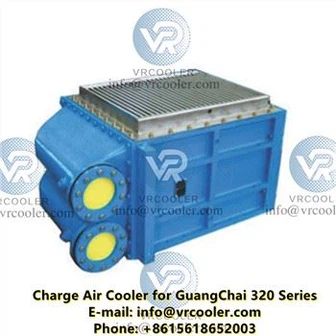
Stator generator air coolers are heat exchangers that are used to cool the stator of a generator in power plants. The stator is a stationary part of the generator that contains the windings that produce the electric current when the rotor rotates. The stator generates a lot of heat when it is in operation, and this heat must be dissipated to prevent damage to the equipment.
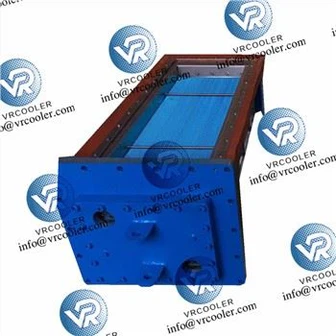
Stator generator air coolers work by passing cool air over the surface of the stator to remove the heat. They typically consist of a bundle of tubes through which the cool air flows, and these tubes are attached to a finned surface to increase the heat transfer area. The cool air is usually drawn from the outside of the power plant and forced through the cooler using a fan or blower.
The design of the stator generator air cooler can vary depending on the specific requirements of the generator and the power plant. Factors such as the size of the generator, the operating conditions, and the availability of cooling water can all influence the design of the cooler.
Stator generator air coolers are important for maintaining the efficiency and reliability of power generation equipment. Proper cooling of the stator can help extend the life of the generator and reduce the risk of equipment failure.

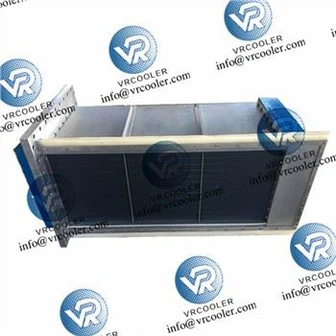
Stator generator air coolers are usually designed as either finned-tube or finned-plate heat exchangers. Finned-tube coolers have a bundle of tubes with fins attached to them, while finned-plate coolers have flat plates with fins attached to them. Finned-tube coolers are more common and provide higher heat transfer rates due to their larger surface area.
The cool air used to cool the stator is typically drawn from the outside of the power plant and forced through the cooler using a fan or blower. The air is often filtered to remove any dust or debris that could damage the stator windings.
The size and capacity of the stator generator air cooler can vary depending on the size of the generator and the power output of the power plant. In some cases, multiple coolers may be used to achieve the required cooling capacity.
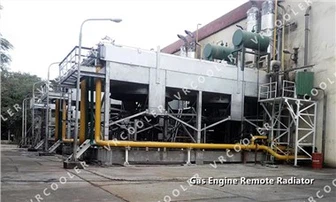
Stator generator air coolers are typically located outdoors, near the generator. They may be mounted on a support structure or directly on the ground. The coolers are often protected from the weather using a canopy or shelter to prevent rain, snow, or other debris from entering the cooler.
Proper maintenance of stator generator air coolers is important for ensuring their long-term reliability and efficiency. This includes regular cleaning and inspection of the fins and tubes, replacement of any damaged or corroded components, and monitoring of the air flow and temperature differentials across the cooler.