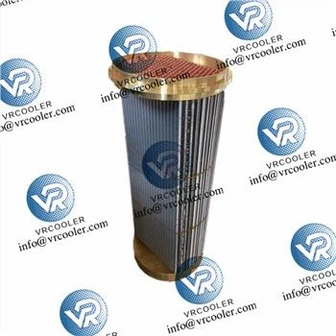
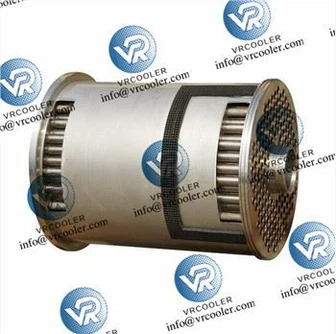
Stator Cooling Systems In Nuclear Power Plants
In nuclear power plants, stator cooling systems play a critical role in maintaining the proper operating temperature of the stator, which is a stationary part of the generator. The stator is a key component in the power generation process, and effective cooling is essential to ensure its reliability and efficiency.
Hydrogen Cooling:
In many nuclear power plants, generators use hydrogen gas as a cooling medium for the stator windings. Hydrogen is an excellent heat transfer medium due to its high thermal conductivity.
Sealed System:
The hydrogen cooling system is often sealed to minimize the risk of hydrogen leakage. The generator housing is filled with hydrogen, creating a controlled environment around the stator windings.

Heat Exchange:
The heat generated in the stator winding is transferred to the hydrogen gas. The heated hydrogen then passes through a heat exchanger, where the heat is dissipated to an external cooling system or a cooling tower.
Cooling Towers:
In some cases, the heat from the hydrogen is transferred to water in a cooling tower, which ultimately releases the heat to the atmosphere. This indirect cooling method helps maintain the stator at the desired temperature.