Shell & Tube Marine Condenser
SHELL & TUBE MARINE CONDENSER
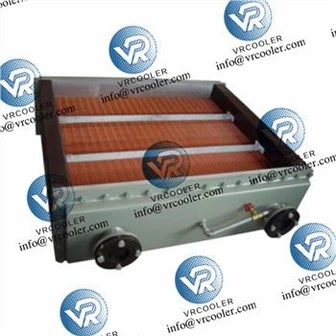
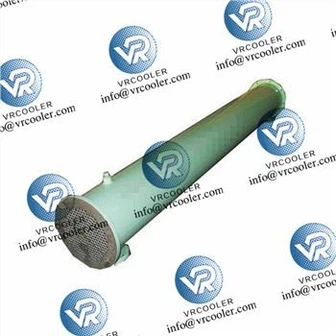
A shell and tube condenser is a type of heat exchanger commonly used in marine applications for condensing steam into liquid in steam propulsion systems or air conditioning systems. Here's an overview of the shell and tube marine condenser:
1. Structure:
The shell and tube condenser consists of a cylindrical shell (outer vessel) and a bundle of tubes (inner vessel) housed inside the shell. The tubes are usually made of materials like copper, brass, or stainless steel and are arranged in a specific pattern within the shell.
2. Working Principle:
Hot steam passes through the tubes, and cold seawater or other cooling media surrounds the tubes in the shell. Heat transfer occurs through the tube walls, causing the steam to condense into liquid as it releases heat to the cooling medium. The condensed liquid is then collected and used as needed, while the cooling medium carries away the absorbed heat.

3. Marine Applications:
Shell and tube condensers are widely used in marine propulsion systems, especially in steam-powered ships. They are crucial components of steam turbines where steam needs to be condensed back to water after it has passed through the turbine blades. This process creates a partial vacuum that enhances the efficiency of the steam turbine. Additionally, shell and tube condensers are used in marine air conditioning systems, where they help in the cooling of refrigerant gases.
4. Seawater as Cooling Medium:
In marine applications, seawater is often used as the cooling medium due to its abundance. Seawater flows through the shell side of the condenser, absorbing the heat from the steam inside the tubes. Special materials, such as cupronickel alloys, are used in the condenser construction to resist corrosion caused by seawater.
5. Maintenance:
Regular maintenance is essential to prevent fouling and corrosion, especially in marine environments where the condenser is exposed to seawater. Periodic cleaning and inspections are necessary to ensure the tubes remain clear, allowing efficient heat transfer. Corrosion inhibitors and coatings may also be used to protect the condenser from seawater corrosion.
Shell and tube condensers are essential components in marine engineering, playing a vital role in the efficient operation of steam propulsion systems and air conditioning systems on ships. Proper design, construction, and maintenance are necessary to ensure their reliability and longevity in marine applications.