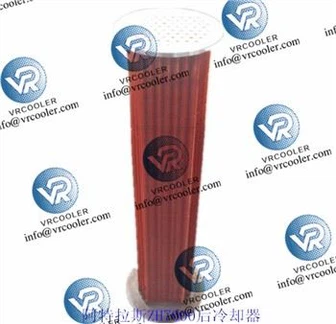
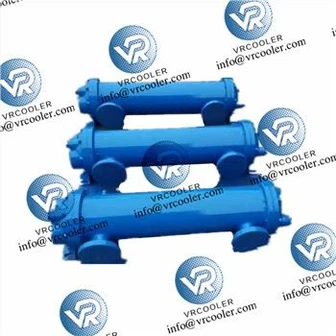
Shell And Tube Steam Heater For Heavy Fuel Oil
A shell and tube steam heater for heavy fuel oil (HFO) is a specialized heat exchanger designed to reduce the oil's high viscosity by raising its temperature, making it fluid enough for efficient atomization in boilers or engines. The design typically places steam on the tube side and heavy fuel oil on the shell side to facilitate effective heat transfer and maintenance.
| Aspect | Key Considerations | Typical Values/Ranges |
|---|---|---|
| Configuration | Oil on shell side allows larger flow area and easier cleaning of fouling deposits. U-tube bundles are common for thermal expansion. | Horizontal or vertical orientation; U-tube or straight-tube; Oil: shell side, Steam: tube side |
| Operating Conditions | Heating temperature directly correlates to required viscosity reduction for proper atomization. Pressure ratings must exceed system operating pressure. | Temp: Up to ~150°C (for HFO); Pressure: Up to 150 psig (steam) / 250 psig (oil); Flow rate: 35 to 4400 GPH |
| Materials | Carbon steel is standard for both shell and tubes due to its strength and low cost. | Shell & Tubes: Carbon Steel; Tube Sheets: Carbon Steel |
| Heat Transfer Design | Overall heat transfer coefficient (U) is a starting point for sizing. Heavy oil has poor heat transfer properties, requiring sufficient surface area. | U-value: approx. 60–450 W/m²°C; Fouling resistance: High (requires consideration) |
| Special Features | Cleanability is crucial. Condensate drainage must be reliable to prevent water hammer. Safety requires thermal expansion relief on oil side. | Removable tube bundles; Contra-flow design (steam inlet at top, condensate outlet at bottom); Relief valve on oil outlet |
How to Select or Specify a Heater
Define Process Parameters: Accurately determine the oil's flow rate, its viscosity vs. temperature curve (to find target temperature, e.g., ~130°C for IF-380 fuel), and the available steam pressure/temperature.
Select Mechanical Configuration: For most HFO applications, a horizontal, U-tube design with the oil on the shell side is preferred for its balance of thermal performance and ease of maintenance. Specify carbon steel as the material of construction for a cost-effective solution.
Incorporate Safety and Operational Features: Ensure the design includes a relief valve on the oil outlet to protect against thermal expansion when the system is idle. The steam circuit must be designed for complete and free drainage of condensate to avoid damaging water hammer. For systems with intermittent operation, consider a low-pressure steam "keep-warm" circuit to maintain oil fluidity and enable rapid restart.