Shell And Tube Heat Exchanger Usage
Shell and tube heat exchanger usage
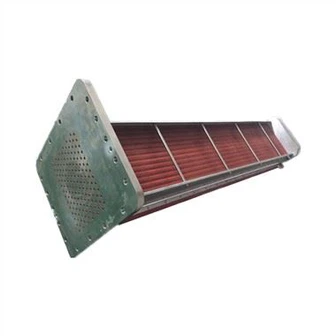
The primary function of shell and tube heat exchangers, a popular type of heat exchange machinery, is to transfer heat from one fluid to another. This apparatus typically consists of a casing and a number of tubes, through which fluid is introduced and removed individually, transferring heat as it does so.
Shell and tube heat exchangers are frequently employed in the manufacturing sector, energy sector, chemical sector, pharmaceutical sector, food processing sector, and other sectors. Applications that are specific include the following:
Fluids can be heated or cooled using shell and tube heat exchangers to accommodate various production or usage needs.
Steam generators: To heat water and turn it into steam for industrial production or heating needs, shell and tube heat exchangers can be employed as the main component.
Automotive engine coolers: The main element of an automotive engine cooler can be a shell and tube heat exchanger. Coolant is pumped through the heat exchanger to lower engine temperatures.
Desalination: Shell and tube heat exchangers can be employed to evaporate seawater into freshwater during the desalination process.
Production of chemicals: Shell and tube heat exchangers can be used for heating, cooling, evaporation, concentration, and reaction processes, increasing production effectiveness and product quality.
Shell and tube heat exchangers can be used for distillation and other distillation processes as well as to heat or cool fluids in the oil and gas processing industry.
Power industry: In the power industry, shell and tube heat exchangers can be used for power generation and cooling, such as steam cooling of condensers and cooling of turbine cooling water.
Food processing: Shell and tube heat exchangers can be used for heating, cooling, sterilizing, and other processes, including heat treatment during the manufacturing of dairy products, drinks, fruit juices, and other items.
Environmental protection industry: Shell and tube heat exchangers can be used in the environmental protection industry for air conditioning, refrigeration, waste water treatment, waste gas treatment, and heat transfer and evaporation.
In summary, shell and tube heat exchangers are very useful heat exchange devices that are widely used in a variety of industries. They can be used to meet a variety of operational needs, including those related to heating, cooling, evaporation, concentration, and reaction. They also help to increase production efficiency and product quality while also promoting energy conservation and environmental protection.