Seawater & Fresh Water Cooling System
Seawater & Fresh Water Cooling System
Seawater and fresh water cooling systems are two common types of cooling systems used in marine applications, particularly for cooling marine engines. Here's a comparison of seawater cooling and fresh water cooling systems:
Seawater Cooling System:
Seawater Intake: Seawater is drawn directly from the surrounding water body, such as the ocean or a lake, using a seawater intake or sea chest.
Seawater Circulation: A seawater pump circulates the seawater through the engine's cooling system. It passes through the heat exchanger, where heat from the engine is transferred to the seawater.
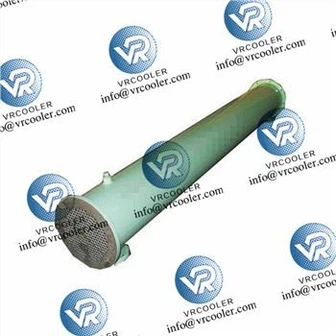
Heat Exchanger: The heat exchanger, typically a shell and tube or plate type, facilitates the transfer of heat from the engine coolant to the seawater without direct contact between them. This prevents corrosion and fouling of the engine cooling system.
Discharge: The heated seawater is discharged back into the surrounding water body after passing through the heat exchanger. It should be discharged in a manner that minimizes its impact on the marine environment.
Fresh Water Cooling System:
Fresh Water Circuit: Instead of using seawater, fresh water is circulated through the engine's cooling system. This water is typically a mixture of distilled water and a coolant or antifreeze.
Fresh Water Pump: A fresh water pump circulates the coolant through the engine block, cylinder heads, and other components, absorbing heat generated during engine operation.
Heat Exchanger: A heat exchanger, similar to the one used in a seawater cooling system, transfers heat from the engine coolant to a separate cooling medium, such as seawater or air.
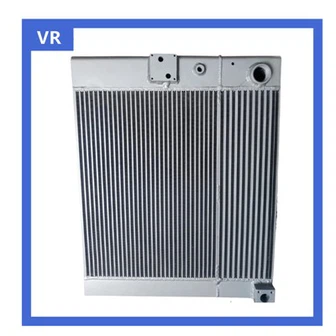
Radiator or Cooling Tower: The heated coolant is passed through a radiator or cooling tower, where the heat is dissipated to the surrounding air or transferred to another medium (e.g., seawater). This helps cool the coolant before it is recirculated through the engine.

Advantages and Considerations:
Seawater cooling systems eliminate the need for a separate fresh water supply and associated components. They are typically more cost-effective and easier to install.
Fresh water cooling systems offer better protection against corrosion and fouling since the coolant is not in direct contact with seawater. They are generally more suitable for engines operating in freshwater or brackish water environments.
Seawater cooling systems may require periodic cleaning and maintenance to prevent fouling and blockage caused by marine organisms and debris.
Fresh water cooling systems require proper coolant management, including regular coolant checks, replenishment, and periodic flushing or replacement.
Both systems should be designed with appropriate safeguards and filters to prevent debris, contaminants, and harmful substances from entering the cooling system.
The choice between a seawater cooling system and a fresh water cooling system depends on factors such as the application, operating environment, cost considerations, and maintenance requirements. Manufacturers' recommendations and guidelines should be followed to ensure proper cooling system operation and longevity.