Replacement Of Main Turbine Lube Oil Cooler
The main turbine lube oil cooler is a crucial component of the turbine system, which is used to ensure that the temperature of the lubricating oil is maintained within the proper range for the proper operation of the turbine and related equipment.
1. Function
Cools the lubricating oil: When the main turbine is in operation, the turbine and bearing system generate a lot of heat. The lubricating oil absorbs heat as it passes through these components. The task of the cooler is to reduce the temperature of the lubricating oil so that it does not become too hot and lead to loss of lubrication or equipment damage.
Maintaining lubricant viscosity: Lubricants can become too thin at high temperatures, affecting their lubricating properties. The cooler ensures that the lubricating oil is at the right temperature, thus maintaining its optimum viscosity and guaranteeing effective protection of moving parts such as turbine bearings and gears.
2. Principle of operation
Indirect heat exchange: Lubricating oil coolers usually work by indirect heat exchange. The lubricating oil flows in the pipeline of the cooler and exchanges heat with the cooling medium (usually water or air) to remove the heat from the oil.
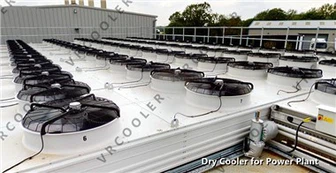
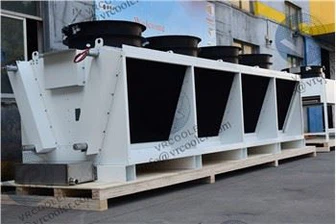
Cooling medium: Coolers can be water-cooled or air-cooled. Water-cooled coolers use cooling water as the heat exchange medium, which is more efficient and commonly used in large steam turbines. Air-cooled coolers use fans or natural convection to cool the oil, and are mostly found in small or environmentally specific equipment.
3. Types of coolers
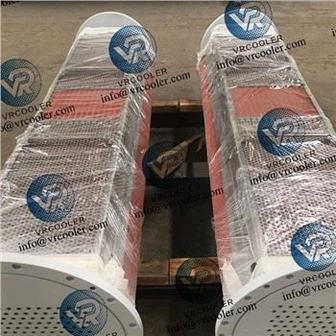
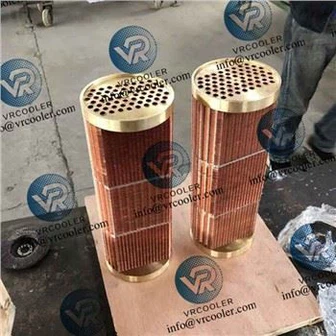
Shell and tube cooler: Shell and tube cooler is a common type of lubricating oil cooler for main turbines, where the lubricating oil flows through a bundle of tubes while the cooling water flows through both sides of the shell, exchanging heat through the tube walls. This design is highly efficient and relatively easy to maintain.
Plate coolers: Plate coolers use a series of metal plates to separate the lubricating oil from the cooling medium, allowing heat exchange through a large surface area. This type of cooler is compact and has a high heat exchange efficiency and is suitable for applications where space is limited.

4. Importance
Protection of mechanical equipment: Lubricant coolers ensure that the temperature of the lubricant is kept within safe limits, thus protecting the bearings, gears and other moving parts of the turbine from premature wear or failure due to high temperatures.
Extend lubricant life: By maintaining the proper oil temperature, the lube oil cooler prevents the oil from oxidising and deteriorating at high temperatures, prolonging the life of the lubricant and reducing the cost and time of frequent replacements.
Improve system stability: the stable operation of lubricating oil cooler can effectively prevent equipment shutdown, failure or efficiency reduction caused by insufficient lubrication, and ensure the long-term stable operation of the turbine system.
5. Maintenance and Inspection
Regular cleaning: Since the cooling medium (water or air) may bring dirt or deposits during long-term use, it is important to clean the cooler pipes and surfaces regularly to prevent the heat exchange efficiency from dropping.
Monitor Temperature and Pressure: The inlet and outlet temperatures and pressures of the lube oil cooler should be monitored regularly to ensure that the cooler is working at optimum conditions. Abnormal temperature differences or pressures may indicate a blockage or other problem with the equipment.
6. Application Scenarios
In power plants in the electric power industry, the main turbine lube oil cooler is an important piece of equipment to ensure the normal operation of the turbine.
Other high-power equipment, such as marine engines and industrial compressors, are often equipped with similar lube oil cooling systems to ensure reliable operation under high load conditions.