Recovering Hot Water And Steam From Water-Cooled Compressors in Automobile Manufacturing
In automobile manufacturing plants, large water-cooled air compressors are essential for powering pneumatic tools, robotic systems, paint shops, and automated assembly lines. While these compressors are critical to production, they also generate a significant amount of waste heat during operation. Instead of rejecting this heat to cooling towers or chillers, modern facilities can recover it in the form of hot water or steam, transforming an unavoidable by-product into a high-value energy source.

How Water-Cooled Compressors Produce Recoverable Heat
Water-cooled compressors remove heat from the compression process by circulating cooling water through jackets, oil coolers, or integrated heat exchangers. Typically:
70–90% of the electrical energy consumed by a compressor is converted into heat
Cooling water outlet temperatures commonly reach 60–90 °C (140–194 °F)
With appropriate heat recovery systems, this thermal energy can be transferred to secondary circuits for reuse
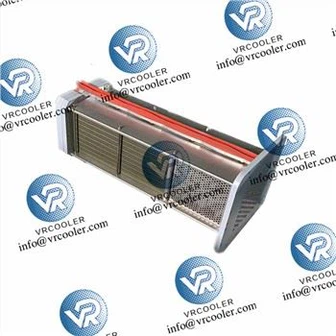
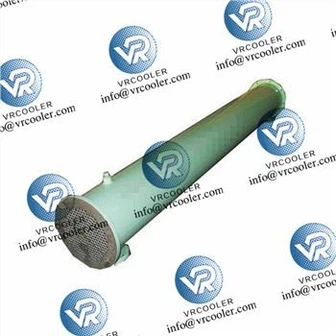
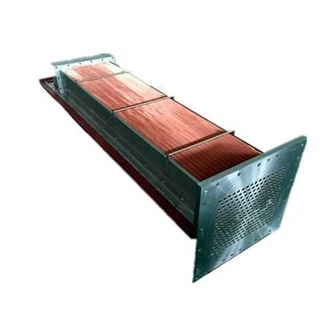
By installing plate heat exchangers, shell-and-tube heat exchangers, or dedicated heat recovery modules, plants can capture this heat efficiently without compromising compressor performance.
Hot Water Applications in Automotive Plants
Recovered hot water from compressors is widely used across automobile manufacturing facilities, including:
- Process hot water for parts washing, degreasing, and surface treatment
- Paint shop support, such as preheating wash water or maintaining booth temperatures
- Domestic hot water for restrooms, locker rooms, and cafeterias
- Space heating for workshops, warehouses, and assembly halls during colder months
These applications often require water in the 50–80 °C range, which aligns perfectly with compressor heat recovery output.
Steam Generation from Compressor Waste Heat
In higher-capacity systems, recovered hot water can be further utilized to preheat boiler feedwater or drive low-pressure steam generation. This approach:
Reduces fuel or electricity consumption in steam boilers
Improves overall plant thermal efficiency
Lowers operating costs and greenhouse gas emissions
In automotive plants with continuous compressor operation, this recovered energy can contribute meaningfully to process steam demand, especially for pretreatment lines, drying ovens, or humidity control systems.
Energy, Cost, and Environmental Benefits
Implementing hot water or steam recovery from water-cooled compressors delivers multiple advantages:
- Energy savings: Reduced demand for boilers, electric heaters, or gas-fired systems
- Lower operating costs: Short payback periods, often 1–3 years
- Carbon reduction: Significant cuts in CO₂ emissions aligned with ESG and sustainability goals
- Improved system efficiency: Higher overall energy utilization from existing equipment
For large automobile manufacturing plants, annual energy savings can be substantial, making compressor heat recovery one of the most cost-effective efficiency upgrades available.
Key Design Considerations
To maximize performance and reliability, heat recovery systems should be designed with:
Correct sizing of heat exchangers based on compressor capacity
Stable water quality and corrosion-resistant materials (stainless steel or titanium where required)
Integration with existing hot water or steam networks
Controls to prioritize compressor cooling while exporting excess heat safely
Proper engineering ensures continuous compressor operation while extracting maximum usable heat.
Conclusion
The hot water or steam produced by water-cooled compressors in automobile manufacturing is no longer just waste-it is a strategic energy resource. By recovering and reusing this heat, automotive plants can significantly reduce energy consumption, operating costs, and environmental impact, all while improving overall system efficiency. As energy prices rise and sustainability targets tighten, compressor heat recovery is becoming a standard best practice in modern automotive manufacturing facilities.