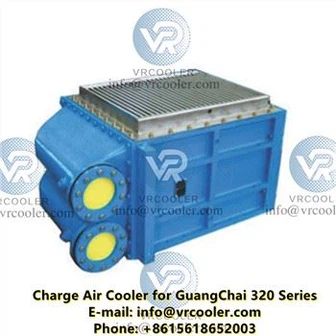
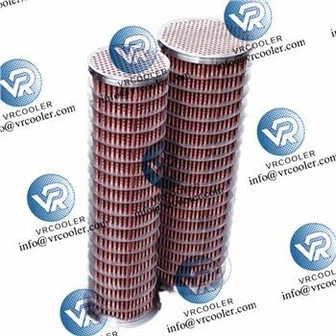
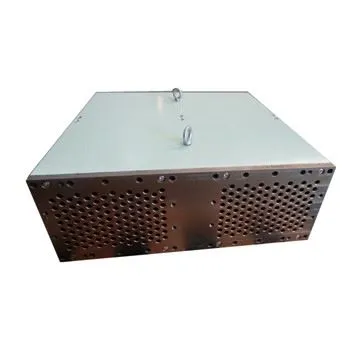
Process Of Cleaning Air Charge Cooler
Two sides require maintenance: air‑side (fins, soot, oil‑carbon deposits) and water‑side (scale, sludge, sediment). Three main cleaning modes: in‑service online cleaning, in‑situ offline cleaning (engine stopped), and full removal workshop cleaning.
Trigger for cleaning: Rising air‑side pressure drop, higher charge‑air outlet temperature, black exhaust smoke, reduced engine power. Always follow engine maker instruction; use CAC‑compatible marine chemicals, avoid corrosive agents that attack Cu‑Ni / titanium tubes and fins.
1. In‑Service Online Cleaning (engine running, no shutdown)
Used for routine light fouling, 2‑stroke main engines most common via built‑in dosing unit.
Confirm engine manufacturer permits online chemical injection; wear PPE.
Run engine at stable partial / rated load. Open CAC scavenge drain valves.
Inject specialized marine charge‑air‑cooler cleaner into air trunk upstream of CAC according to specified dosage.
Keep engine running for dwell period, chemicals dissolve soot & oil‑carbon deposits. Dissolved waste flows out via scavenge drains to bilge / slop tank (treat chemical waste per MARPOL).
Perform fresh‑water rinse injection.
Close drains; monitor charge‑air pressure drop and outlet temperature after cleaning.
Limitation: Cannot remove heavy hard scale / thick carbon layers; only for periodic light maintenance.
2. In‑situ Offline Cleaning (engine stopped, CAC remains fitted on engine)
For moderate‑heavy air‑side fouling; access via inspection manhole / air trunk cover.
Air‑side steps
Stop & lock‑out engine, isolate rotating parts. Open inspection covers; fully open CAC drain valves.
Remove loose debris with low‑pressure compressed air (blow from clean‑air side; never high‑pressure air, will bend fins). Straighten bent fins with fin comb.
Spray / circulate approved CAC chemical cleaner over fin bundle. Allow dwell time 60‑120 min for carbon‑oil deposit breakdown. Max chemical temperature 50 °C.
Low‑medium pressure fresh‑water jet wash the fin surface, flush all dissolved residues. Collect all wastewater.
Blow dry with compressed air. Confirm drains run clear, no leftover chemical. Close inspection covers & drains.
Water‑side in‑situ cleaning (LT fresh‑water circuit side)
Isolate & drain CAC low‑temperature cooling‑water circuit. Remove water‑box end covers.
Mechanical: Soft rodding / low‑pressure water lancing flush tube internals to remove sludge & soft scale.
For hard limescale: Circulate inhibited descaling chemical solution through tube bundle, strictly control time & pH value.
Full neutralization + multiple fresh‑water flushing.
Visual inspect tube sheet & tubes; check for pitting / erosion. Refit end covers, pressure‑test water‑side before recommissioning.

3. Dismantled Workshop Cleaning (heavy fouling, leakage suspicion, major overhaul)
Remove complete CAC unit from engine and send to workshop; highest‑quality result.
Dismantle CAC from air trunk and cooling‑water piping.
Air‑side options:
Immersion soak bath: submerge core in approved heated CAC cleaner for 2‑8 hours; agitate solution.
Circulation chemical cleaning.
Gentle dry‑ice blasting (optional, zero‑residue for heavy soot, risk of fin damage if mis‑adjusted).
Thorough multi‑stage fresh‑water rinse, full drain & dry. Straighten damaged fins.
Water‑side: chemical circulation descaling, flush, inspect each tube.
Mandatory after cleaning:
Water‑side hydrostatic pressure test; air‑side leak test. Check for tube‑to‑tube‑sheet leakage.
Inspect tube condition; plug leaking tubes (max ~10 % total tubes allowed, per engine OEM limit).
Document pressure‑drop test and thermal performance data before re‑installation on‑board.
Critical Safety & Common Mistakes
❌ High‑pressure water jet directly onto fins → fin bending, permanent performance loss
❌ Use non‑approved aggressive acids on Cu‑Ni / Ti material → tube corrosion failure
❌ Insufficient dwell time or incomplete rinsing → chemical residue accelerates future fouling
❌ Waste chemical discharge direct overboard: must collect & dispose per MARPOL requirements
❌ Skip pressure test after cleaning → hidden tube leakage leads water into engine cylinders, risk of hydraulic lock
Post‑cleaning verification checklist
Air‑side differential pressure returns close to original baseline value
Charge‑air outlet temperature meets engine specification under full load
No water‑side leakage; no dripping from scavenge drains
All drain valves closed; inspection covers correctly sealed
Record cleaning date, method, chemical used, test results into engine log‑book