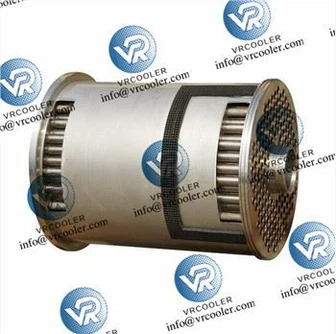
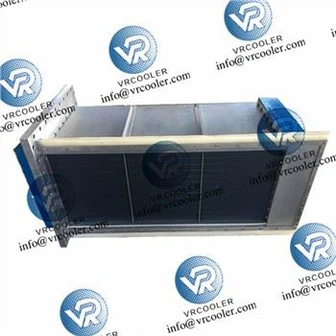
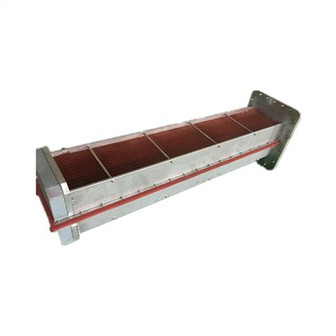
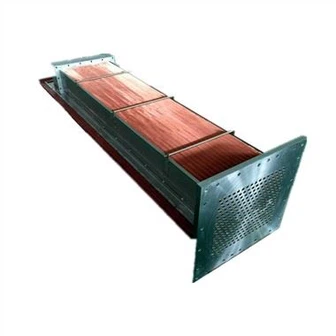
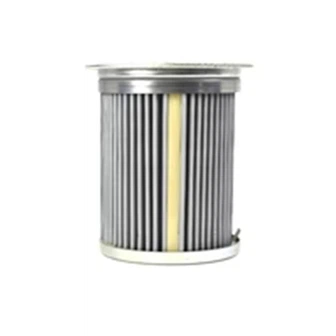
Perkins Diesel Generator Radiator Core Replacement, Aluminum Brazed Core For 1103 1104 404D Engine
When to replace the radiator core
Replace core instead of full‑radiator assembly only if top/bottom plastic/brass tanks are sound, no crack or severe corrosion.
Typical failure signs:
Repeated coolant pin‑hole leaks from core tubes
Severe internal clog, cannot restore flow by flushing
Multiple damaged/corroded tubes; fin collapse over large area
Persistent engine overheating under rated load, no fault in thermostat, water pump or fan
Do not use stop‑leak additives; they block narrow cooling passages and cause secondary failures on Perkins diesel generator / industrial engines.
Critical matching specs for Perkins re‑core
Before ordering replacement core, record these data (match against Perkins OEM part number e.g. 2485B275, 2485B280 etc.):
Core overall dimension: height × width × thickness
Tube rows, tube size, fin density (FPI)
Inlet / outlet port size & position
Mounting hole layout, rubber cushion fit
Material: all‑aluminum brazed core is mainstream for modern Perkins 400‑series,1103‑1106, 1200‑series generator radiators.
Using lower‑spec thin‑tube core will bring overheating risk under full generator load.

Step‑by‑step re‑core & installation procedure
Safety pre‑work
Let engine cool fully. Drain all coolant, collect and dispose properly. Disconnect battery negative terminal.
Remove complete radiator unit from Perkins engine / generator set. Remove fan shroud, hoses, overflow pipe.
Send unit to professional radiator shop: separate old core from header tanks, fit new matched core, braze / crimp joints, pressure‑test at working pressure (typically 1‑1.5 bar) to confirm zero leakage.
Re‑install:
Reuse or renew aged rubber mounting grommets (vibration is top cause for Perkins radiator core crack).
Torque mounting bolts evenly, avoid twisting stress on radiator.
Renew all hose clamps; inspect rubber hoses for cracking.
Coolant filling & air bleeding
Fill with Perkins‑approved ELC long‑life coolant mixed with distilled water. Run engine until thermostat opens, bleed air thoroughly. Air lock will cause overheating and core cavitation damage.
Load test: run generator under partial then full rated load, monitor coolant temperature, check joints for leakage.
Common post‑replacement preventive tips for Perkins gen‑set
Inspect and clean core fin surface regularly with low‑pressure compressed air; avoid high‑pressure water jet which bends fins.
Change coolant per Perkins schedule: every 2000 running hours or 12 months, use correct ELC coolant to reduce internal corrosion.
Check fan alignment; fan blade rubbing will destroy radiator core quickly.