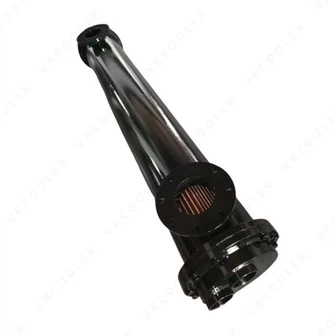
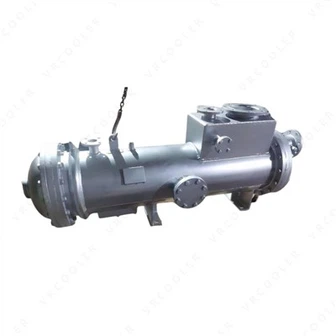
Oil Coolers For Oil Insulated Power Transformers And Reactors
Oil coolers for oil-insulated power transformers and reactors are designed to manage the thermal performance of these electrical devices.
Functions of Oil Coolers
Heat Dissipation:
Oil coolers help dissipate the heat generated by the transformer or reactor during operation. As the insulating oil absorbs heat, it circulates through the cooler, where it is cooled by air or another cooling medium.
Temperature Regulation:
Maintaining the oil temperature within safe limits is crucial for the reliable operation of the transformer or reactor. Oil coolers help regulate temperature, ensuring optimal performance.
Enhancing Efficiency:
By effectively managing heat, oil coolers improve the overall efficiency of transformers and reactors, reducing energy losses.
Design Considerations
Type of Cooler:
Air-Cooled: Uses fans to blow air over the cooling coils filled with oil. These are often used where water resources are limited.
Water-Cooled: Employs water as a cooling medium, which can be more efficient but requires a reliable water source.
Material Selection:
Coolers are typically made from materials that resist corrosion and wear, such as stainless steel or specially coated metals, to withstand harsh operating conditions.

Size and Capacity:
Proper sizing is critical to ensure that the cooler can handle the expected heat load. This involves calculations based on transformer capacity, ambient temperature, and desired cooling performance.
Flow Design:
The design should facilitate optimal oil flow rates to maximize heat exchange. This can involve the use of pumps or gravity flow systems.
Integration with Cooling System:
The cooler must be integrated with the overall cooling system of the transformer or reactor, including oil pumps and control systems.
Benefits
Extended Equipment Life:
Effective cooling reduces overheating, which can degrade insulation and lead to premature failure.
Operational Reliability:
Maintaining stable temperatures enhances the reliability of transformers and reactors, minimizing downtime and maintenance needs.
Energy Efficiency:
By reducing the operational temperature, oil coolers help improve the energy efficiency of the entire system, leading to lower operational costs.
Environmental Considerations:
Modern oil coolers can be designed to minimize environmental impact, using eco-friendly materials and efficient cooling methods.
Applications
Power Transformers: Used in electrical substations and distribution systems to ensure efficient operation.
Reactors: Employed alongside transformers in applications such as voltage regulation and reactive power compensation.