Oil Coolers And Air Coolers For Hydroelectric Power Plants
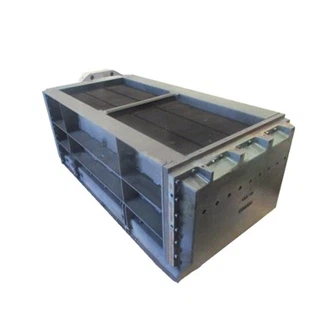
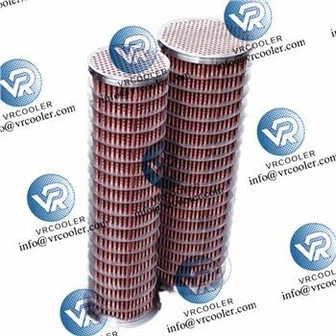
Oil coolers and air coolers are critical components of hydroelectric power plants used to maintain proper operating temperatures of equipment and machinery. Hydroelectric plants utilize the energy of flowing water to generate electricity, and various equipment such as turbines, generators, and other mechanical components need to be efficiently cooled to ensure their performance, reliability, and longevity.
The following is how oil coolers and air coolers are used in hydroelectric plants:
1. Oil cooler:
- Hydraulic Systems: Hydropower plants typically use hydraulic systems to control the movement of water within the facility. Hydraulic systems use hydraulic oil to transfer power. Oil coolers are used to dissipate the heat generated during the operation of hydraulic pumps, motors and valves. This prevents the hydraulic oil from overheating and ensures smooth operation of the system.
- Turbine Lubrication: Turbines convert the kinetic energy of water into mechanical energy and require proper lubrication. An oil cooler helps maintain the temperature of the turbine's lubricating oil, preventing excessive heat build-up and keeping the oil lubricated.
- Generator Cooling: Generators in hydroelectric plants use cooling systems to regulate the temperature of components inside the generator. Oil coolers serve to maintain the proper temperature of the rotor windings and other components of the generator.

2. Air coolers:
- Transformer Cooling: Transformer is an important component in a hydroelectric plant for step-up or step-down power generation. Air cooled radiators or heat exchangers are commonly used to cool transformer oil. These coolers dissipate the heat from the transformer oil into the surrounding air to prevent overheating.
- Control Panel Cooling: Control panels and electrical equipment in hydroelectric plants require proper cooling to prevent electrical components from overheating. Air coolers help maintain control panel temperatures and ensure reliable operation of the electrical system.
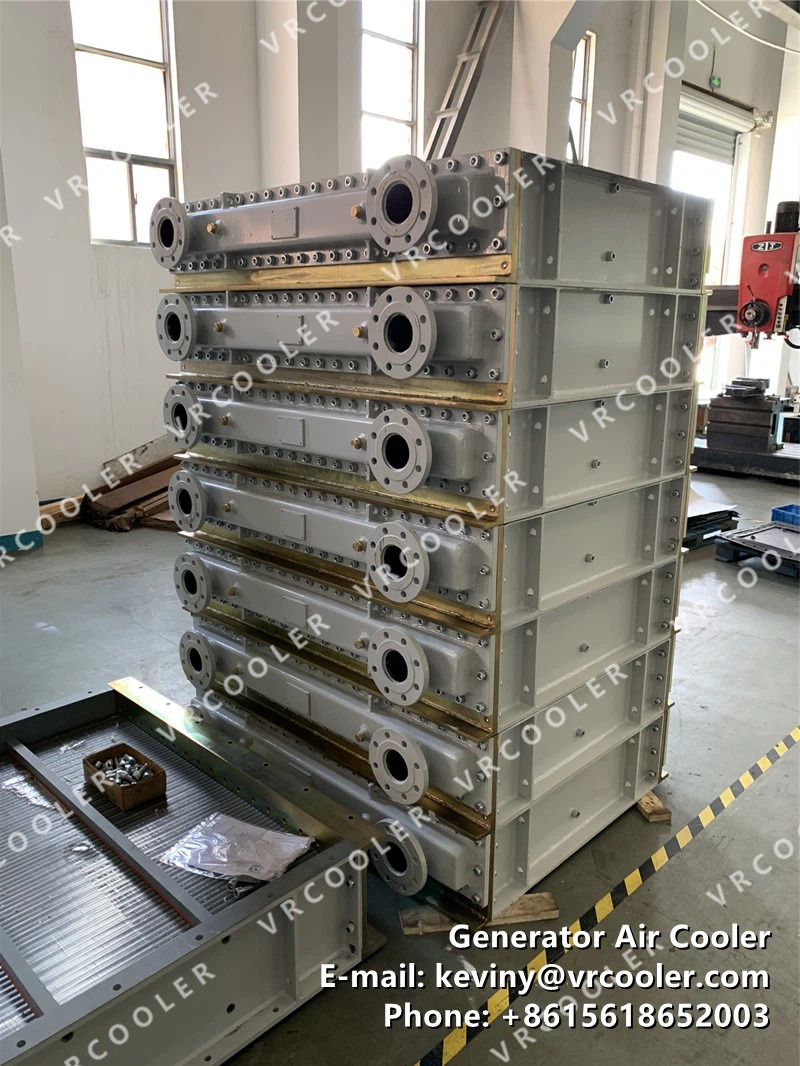
In oil-cooled and air-cooled systems, efficient heat exchange is essential to maintain optimum operating conditions. Proper temperature control is essential to prevent equipment damage, reduce downtime, and improve the overall efficiency of hydropower plant operations.
The selection of oil coolers and air coolers depends on factors such as the capacity of the plant, the type of equipment being used and environmental conditions. Regular maintenance, including cleaning and inspection of the cooler components, is necessary to ensure their effectiveness and prevent any potential problems.