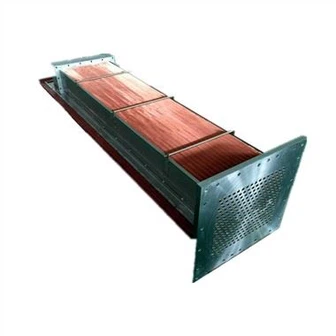
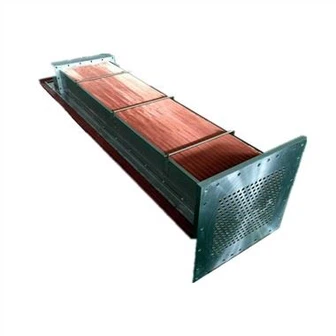
NH3 Seawater Shell And Tube Heat Exchanger
The NH3 seawater shell and tube heat exchanger is a device for heat exchange between ammonia (NH3) and seawater, usually consisting of a shell, tube bundle, and end caps. It is mainly used in seawater desalination, marine engineering and chemical industry.
The following is some information about NH3 seawater shell and tube heat exchangers:
Shell: The shell is the external structure of the NH3 seawater shell and tube heat exchanger and is usually made of a corrosion resistant material (e.g. stainless steel). Inside the shell, there are inlets and outlets for the introduction and discharge of seawater.
Tube bundle: The tube bundle is a group of tubes placed inside the shell for the heat exchange between the ammonia and seawater flowing through the tubes. The tube bundle is usually made of a metallic material (e.g. copper alloy or stainless steel) with good thermal conductivity and corrosion resistance.
End caps: End caps are located at the ends of the heat exchanger and seal and hold the tube bundle in place. The end caps are usually made from corrosion resistant materials and are fitted with gaskets to ensure sealing performance.

Working principle: The NH3 seawater shell and tube heat exchanger works by heat exchange between the ammonia inside the tube and the seawater outside the tube. The ammonia gas flows through the inside of the tube and transfers heat through the tube wall to the seawater, thus lowering the temperature of the ammonia gas and raising the temperature of the seawater.
Application areas: The NH3 seawater shell and tube heat exchanger is mainly used in the desalination process to transfer the heat from the seawater to the ammonia for the evaporation and condensation process. In addition, it is also widely used in the field of marine engineering, such as seawater cooling systems, marine heat pumps, etc., as well as in certain chemical processes for heat exchange processes.
Desalination: NH3 seawater shell and tube heat exchangers can be used in desalination processes to achieve evaporation and condensation processes by transferring thermal energy from seawater to ammonia gas. This type of heat exchanger is often used in multi-stage flash desalination systems to improve energy use efficiency.
Marine engineering: The NH3 seawater shell and tube heat exchanger has a variety of applications in marine engineering. For example, it can be used in seawater cooling systems where seawater is used to cool marine related equipment or processes such as offshore platforms, ships, seawater temperature control systems etc. In addition, NH3 seawater shell and tube heat exchangers can also be used in marine heat pump systems to transfer the thermal energy from seawater to air conditioning systems or heating systems.
Chemical industry: NH3 seawater shell and tube heat exchangers are also widely used for heat exchange processes in chemical processes. It can be used to cool or heat fluid media in chemical processes, providing heat energy transfer. For example, NH3 seawater shell and tube heat exchanger has an important role to play in the cooling of reactors, solvent recovery and distillation processes in chemical production.
In summary, NH3 seawater shell and tube heat exchangers are widely used in desalination, marine engineering and chemical applications for the purpose of utilising seawater thermal energy, cooling or heating fluid media.