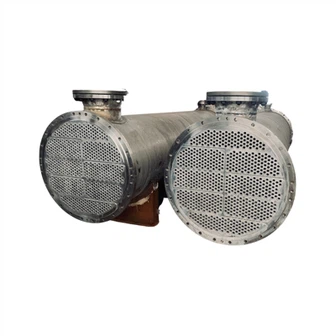
Marine Transformer Cooling Technology Can Efficiently Dissipate Heat in Marine Environments
The particularity of the marine environment determines that the cooling system of marine transformers needs to meet multiple strict standards, and its core demands focus on the following three aspects:
1. Corrosion resistance and weather resistance: High salt spray and high humidity environments can easily cause corrosion of metal components and blockage of pipelines in the cooling system. Therefore, the cooling medium and equipment materials need to have strong corrosion resistance, usually using anti-corrosion coatings, stainless steel materials, and salt spray resistant sealing designs;
2. Compaction and space adaptation: Due to the limited space in the ship's engine room, the cooling system needs to adopt modular and miniaturized design to achieve efficient heat dissipation in the limited space, while avoiding layout conflicts with other equipment;
3. Anti vibration and reliability: The vibration and turbulence of the ship's hull during navigation can easily cause the cooling system pipes to loosen and components to be damaged. Therefore, the system needs to have good anti vibration performance, and the core components need to undergo strengthened fixation and fatigue testing to ensure long-term stable operation;
4. Efficient heat dissipation and energy saving: The ambient temperature in marine environments can fluctuate dramatically between -20 ℃ and 45 ℃. The cooling system needs to maintain efficient heat dissipation over a wide temperature range while reducing its own energy consumption, which is in line with the development trend of green navigation for ships.

The selection of cooling methods for marine transformers should comprehensively consider factors such as ship tonnage, transformer power, operating load, engine room space, and navigation area, and form a precise and adaptable plan:
Small vessels (yachts, fishing boats) and low-power transformers (≤ 500kVA): Natural cooling is preferred to balance cost and reliability;
Medium sized vessels (cargo ships, ferries) and medium power transformers (500kVA-2000kVA): It is recommended to use forced air cooling to balance heat dissipation efficiency and space requirements;
Large vessels (container ships, oil tankers) and high-power transformers (2000kVA-10000kVA): using forced oil cooling to meet high load heat dissipation requirements;
• Ultra large vessels (LNG carriers, offshore platforms) and ultra high power transformers (≥ 10000kVA): seawater cooling is selected to ensure efficient heat dissipation under extreme working conditions.