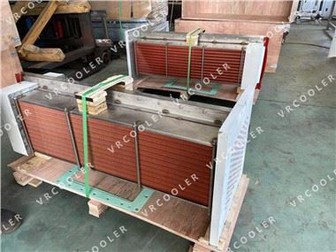
Marine Intercooler Intended For A Marine Propulsion Engine
A marine intercooler is a vital component used in the cooling system of marine propulsion engines, particularly in turbocharged systems. It plays a crucial role in enhancing engine performance, efficiency, and longevity.
Design and Structure
Components:
Heat Exchanger Core: Typically constructed from materials like aluminum or stainless steel, designed to withstand marine environments.
End Tanks: Houses the inlet and outlet connections for the cooling water and intake air.
Cooling Water Passages: Channels that allow seawater or freshwater to flow around the heat exchange core.
Configuration:
Marine intercoolers can be designed as either shell-and-tube or plate-style heat exchangers, depending on the specific application and space constraints.

Operation
Cooling Process:
Hot compressed air from the turbocharger enters the intercooler, where it passes through the heat exchanger core.
Seawater or freshwater flows around the core, absorbing heat from the compressed air, which lowers its temperature.
Improved Air Density:
By cooling the intake air, the intercooler increases its density, allowing for more air and fuel to enter the combustion chamber, resulting in improved combustion efficiency.
Applications
Marine Propulsion Engines:
Commonly used in turbocharged diesel engines for commercial ships, yachts, and fishing vessels to enhance performance.
Auxiliary Power Units:
Also found in auxiliary engines for powering onboard systems, where efficient operation is crucial.