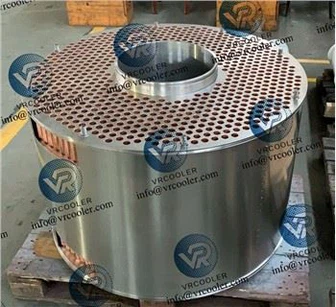
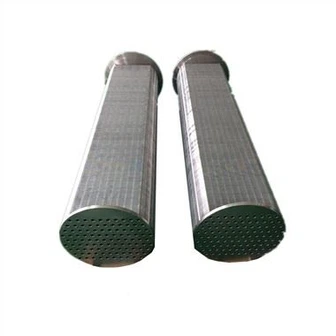
Main Benefits Of Using An Exhaust Gas Heat Exchanger For Jenbacher Engines

1. Significantly Higher Total Efficiency
A Jenbacher gas engine alone converts about 40–45% of fuel energy into electricity.
By recovering heat from the exhaust gas, total system efficiency can reach up to 90% in a combined heat and power (CHP) setup.
This maximizes energy utilization and reduces waste.
2. Reduced Fuel Consumption
The recovered thermal energy replaces fuel otherwise needed for boilers or process heaters.
Operators can achieve 10–25% fuel savings depending on the application and operating hours.
3. Lower CO₂ Emissions and Environmental Impact
Utilizing waste heat reduces the overall carbon footprint of the facility.
The system helps meet sustainability and carbon reduction targets without additional fuel combustion.
4. Production of Useful Thermal Energy
Exhaust heat can be used to generate:
Hot water for district heating or industrial cleaning
Low-pressure steam for process heating
Thermal oil heating for drying or chemical processes
Absorption chilling for trigeneration (electricity + heat + cooling)
5. Improved Economic Return
The recovered heat provides free energy for heating or process use.
Short payback periods (typically 1–3 years) are achievable depending on local energy costs and engine runtime.
6. Compact and Customizable Design
Vrcoolertech exhaust gas heat exchangers can be tailored to fit the specific Jenbacher model (J320, J420, J612, JMS 624, etc.), plant layout, and required heat output.
Modular construction allows easy installation and maintenance.
7. Reliable Operation and Long Service Life
Designed with high-grade materials such as stainless steel (AISI 304/316L) or Inconel to resist corrosion from hot exhaust gases.
Properly engineered units ensure stable heat recovery and low pressure drop across the exhaust system.
8. Flexibility for Various Applications
Suitable for natural gas, biogas, landfill gas, and sewage gas engines.
Integrates easily with existing heating networks, process loops, or absorption chillers.
9. Reduced Cooling Load on the Engine System
By capturing exhaust heat, the thermal load on the overall engine cooling system is reduced.
This helps maintain stable operation and improves the longevity of the Jenbacher engine.
10. Compliance with Energy Efficiency Regulations
Many regions encourage or mandate CHP systems with heat recovery to improve energy efficiency.
Installing an exhaust gas heat exchanger helps qualify for green certifications, government incentives, or carbon credits.