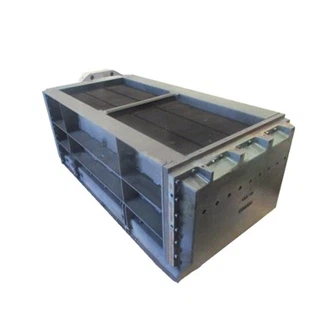
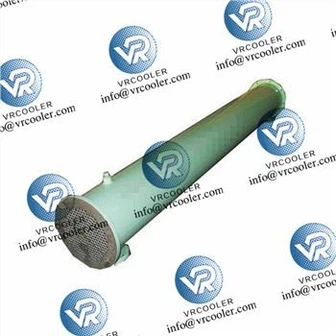
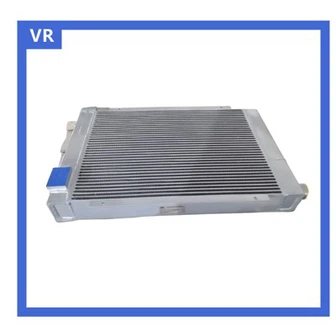
LT-HT Dry Cooler For Efficient Cooling Of Biogas Purification And Biogas Generator
Cooling pain points of biogas purification and biogas power generation
Biogas purification generator for biogas (methane concentration ≥ 95%) is essentially a high-purity gas internal combustion engine, and its cooling system faces multiple severe challenges:
Dual temperature zone heat dissipation is essential: high temperature components such as engine cylinder liners and cylinder heads (45-60 ℃) and low temperature components such as intercoolers, lubricating oil, and generator stators (30-45 ℃) need to be accurately controlled by independent circuits, otherwise high temperature overheating and low temperature condensation may occur, greatly reducing power generation efficiency and unit life.
Poor working conditions: Biogas mainly comes from breeding farms, landfills, and kitchen treatment plants. The site is short of water, high humidity, dusty, and contains trace amounts of corrosive gases (H ₂ S, NH ∝). Traditional water-cooled cooling towers are prone to scaling, floating water, and the growth of bacteria and algae, resulting in high maintenance costs and equipment corrosion.
High requirements for safety and explosion prevention: Biogas is a flammable and explosive gas, and the cooling system needs to be closed-loop, leak free, and designed for explosion prevention to eliminate the risk of open flames and gas contact.
Strong regional adaptability: The project is located in cold, high temperature, and high-altitude areas, and the cooling equipment needs to take into account winter antifreeze, summer high temperature resistance, and stable operation throughout the year.

The core adaptation value of LT-HT dry coolers
The LT-HT dry cooler adopts a dual independent cooling circuit+forced air cooling+closed cycle design, accurately solving the cooling pain points of biogas purification biogas generators. The core values are as follows:
1. Dual circuit independent temperature control, matched with precise heat dissipation of the unit
High temperature circuit: specifically designed to cool the engine cylinder liner water, cylinder head, and exhaust manifold, reducing the high temperature medium from 45-60 ℃ to 35-45 ℃, avoiding engine overheating and detonation, and ensuring stable power output.
LT circuit: independently cooling the intercooler, lubricating oil, and generator stator, reducing the low-temperature medium from 30-45 ℃ to 25-35 ℃, preventing abnormal viscosity of lubricating oil and aging of generator insulation, and improving unit efficiency and reliability.
The dual circuit does not interfere with each other, adjusts independently, adapts to the characteristics of large load fluctuations in biogas generators, and always maintains the optimal operating temperature.
2. Fully air-cooled closed cycle, suitable for water shortage/harsh working conditions
100% Water saving: No need for circulating water or cooling towers, completely solving the problem of water scarcity on biogas project sites, avoiding water pollution and floating water risks.
Closed system: The cooling medium (ethylene glycol aqueous solution) is fully enclosed and circulated, isolating external dust and corrosive gases, preventing pipeline scaling and corrosion, and extending equipment life.
Strong weather resistance: using anti-corrosion materials (stainless steel, galvanized sheet) and explosion-proof fans, suitable for biogas sites with high humidity, dust, and trace amounts of corrosive gases, with a design life of over 10 years.
3. Explosion proof and anti-corrosion design to ensure the safety of biogas power generation
Explosion proof level compliance: The fan and motor adopt Ex Ⅱ BT4/CT4 explosion-proof standards, meeting the safety requirements of flammable and explosive gas environments such as biogas and biogas.
Anti corrosion treatment: The heat exchanger coil and frame are made of 304/316 stainless steel or heavy-duty anti-corrosion coating to resist corrosive gases such as H ₂ S and NH ∝ and avoid leakage risks.
No open flame hazard: fully electrically controlled, no open heat dissipation, preventing the cooling system from becoming an ignition source, in compliance with safety regulations for biogas power plants.
4. Strong regional adaptability and stable operation throughout the year
Winter antifreeze: The closed system is filled with low freezing point ethylene glycol antifreeze (freezing point ≤ -35 ℃), combined with automatic drainage and electric heat tracing design, which can still start and operate stably in severe cold environments of -30 ℃.
High temperature resistance in summer: with high air volume and efficient heat exchange design, it can still meet cooling needs in a high temperature environment of 45 ℃, avoiding power reduction or shutdown of the unit due to high temperature.
High altitude adaptation: Customized fans and heat exchange areas to adapt to the problem of thin air and decreased heat dissipation efficiency in high-altitude areas, ensuring full load operation of the unit.
5. Intelligent operation and maintenance to reduce project costs
Variable frequency control: Automatically adjust the fan speed according to the return water temperature, saving energy by 30% -50% and reducing operating electricity costs.
Remote monitoring: Supports IoT access, real-time monitoring of temperature, pressure, and operating status, achieving fault warning and remote diagnosis, and reducing on-site maintenance frequency.
Easy installation: modular design, small footprint, can be directly installed on the top of the containerized biogas generator or outside the machine room, without the need for complex civil engineering, shortening the project cycle.
Typical application scenarios and cases
1. Purification and power generation of biogas from landfill sites
After desulfurization, dehydration, and decarbonization, the biogas from the landfill is purified into biogas, which drives a gas-fired generator to generate electricity. The LT-HT dry cooler is installed on the top of the containerized unit, with dual circuit precise temperature control, suitable for the high humidity, dust, and water shortage conditions of landfills, ensuring the stable operation of 16MW level units 24 hours a day, and the daily power generation can meet the electricity needs of 200000 households.
2. Large scale breeding farm biogas cogeneration
Anaerobic fermentation of farm manure produces biogas, which is purified and used for power generation and heating. LT-HT dry coolers replace traditional cooling towers, saving water, eliminating floating water and odor diffusion, and avoiding pollution of the breeding environment; Simultaneously recovering cooling waste heat for heating and biogas fermentation insulation in the breeding farm, improving the overall energy efficiency of the project (thermal efficiency ≥ 87%).
3. Biogas power generation in kitchen waste treatment plants
The composition of kitchen waste biogas is complex and the oil content is high. After purification, the cooling system for power generation requires strict requirements. The high and low temperature dry cooler adopts anti fouling and anti clogging heat exchange tubes+large spacing design to prevent oil stains and impurities from clogging; Explosion proof and anti-corrosion design is suitable for the high humidity and corrosive environment of kitchen treatment plants, ensuring long-term trouble free operation of the unit.
Conclusion
Biogas purification and biogas power generation are the core paths for waste resource utilization and low-carbon energy, and LT-HT dry coolers have become the optimal choice for cooling systems in this field due to their comprehensive advantages of precise temperature control in dual temperature zones, full air cooling and water-saving, explosion-proof and anti-corrosion, and intelligent operation and maintenance. It not only solves the cooling pain point of biogas generators, but also helps projects achieve efficient, safe, environmentally friendly, and low-cost operation, promoting the large-scale and sustainable development of biogas purification biogas power generation industry.