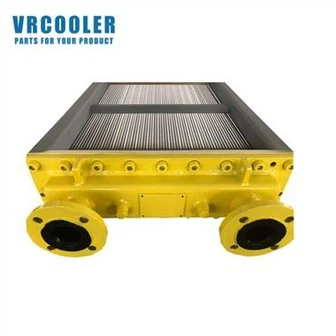
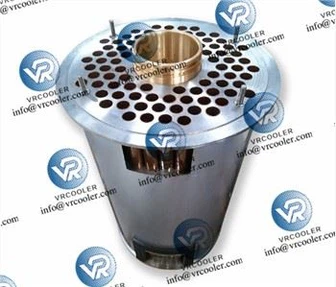
Keel Cooler For Marine Applications
A marine keel cooler is a closed-loop external heat exchanger mounted on the hull below the waterline. It circulates engine coolant through tubes exposed to seawater, transferring heat directly into the ocean. This eliminates the need for raw-water pumps, strainers, and internal seawater plumbing.
How it Works
Similar to a car radiator, the keel cooler keeps the engine's primary coolant isolated from corrosive seawater. The hot coolant flows through externally mounted tubing, dissipates heat through the metal (commonly 90/10 copper-nickel) into the surrounding ocean, and returns to the engine at a safe operating temperature.
Primary Benefits
Eliminates Seawater Systems: Removes the risk of salt, sand, silt, or debris clogging your engine's internal raw-water circuit.
Reduced Maintenance: Since no raw water is drawn into the hull, you no longer need to service seacocks, raw water pumps, zincs, or strainers.
Hull Protection: Protects the main engine from corrosion caused by continuous raw-water flow.
Multi-Circuit Cooling: Units can be partitioned internally to cool multiple heat sources simultaneously (e.g., main engines, auxiliary generators, and air conditioning).
Common Applications
Keel coolers are widely favored for workboats, tugboats, fishing vessels, and long-range passagemakers where engine reliability in debris-heavy or silty water is critical. They are also used in electric propulsion vessels for cooling heavy-duty motors and drives.