Intercooler For Gas Generator Turbo Cooling
Intercooler for Gas generator Turbo cooling
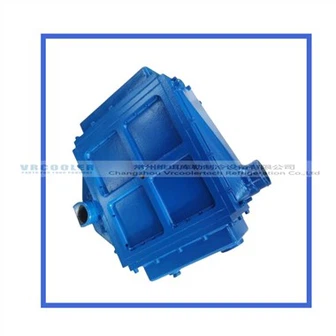
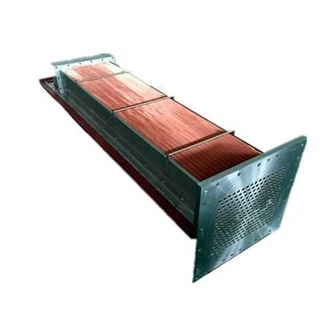
An intercooler is a device used to cool the compressed air from a turbocharger or supercharger before it enters the engine's combustion chamber. In the context of a gas generator turbo cooling system, an intercooler plays a critical role in improving efficiency and performance.
How an Intercooler Works in a Gas Generator Turbo System:
Turbocharger Compression: The turbocharger compresses air, increasing its density and allowing more oxygen to enter the combustion chamber. However, this process also heats the air.
Heat Reduction: Hot air is less dense and can lead to inefficient combustion or engine knocking. The intercooler cools the compressed air, increasing its density and improving combustion efficiency.
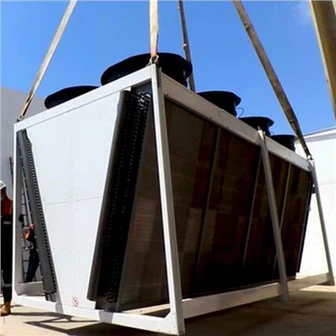
Cooling Mechanism: The intercooler uses either air (air-to-air intercooler) or liquid (air-to-liquid intercooler) to dissipate heat from the compressed air.
Benefits of Using an Intercooler in a Gas Generator Turbo System:
Improved Efficiency: Cooler air is denser, allowing for more efficient combustion and better fuel economy.
Increased Power Output: Denser air means more oxygen for combustion, leading to higher power output.
Reduced Engine Knock: Cooler air reduces the risk of pre-ignition or knocking, which can damage the engine.
Lower Emissions: Efficient combustion reduces harmful emissions, making the system more environmentally friendly.