Hydrogen Coolers For Power Systems
Hydrogen Coolers for Power Systems
Hydrogen Cooling Systems are a common and efficient cooling method for certain types of generators, especially those operating at high power and speed. This type of cooling system is often used in large generating units, especially in power systems and nuclear power plants.
The principle of the hydrogen cooler is to utilize the high thermal conductivity and low density of hydrogen, as well as its electrically insulating properties, to effectively cool the generator windings.

This cooling system usually consists of the following components:
Hydrogen Supply System (HSS): This is the system that delivers the hydrogen to the inside of the generator. Hydrogen is usually stored at high pressure in gas cylinders or tanks and then piped to the generator's cooling system.
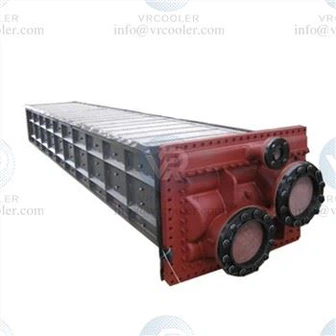
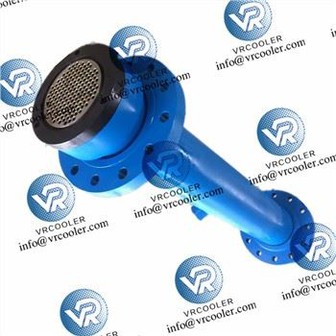
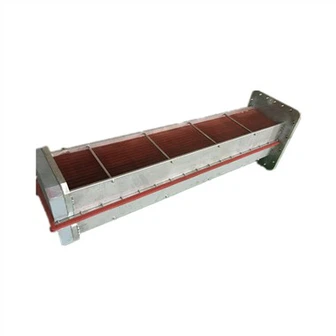
Hydrogen Cooler: This is the core component of the hydrogen cooling system. The hydrogen cooler is usually a sealed container in which the generator windings (usually the high voltage windings) are immersed. Hydrogen flows through the cooler, removing the heat generated by the windings and distributing it to the surrounding environment.
Hydrogen Circulation System: This system ensures that hydrogen is circulated through the cooler to keep the generator's winding temperature within safe limits. It usually includes equipment such as hydrogen circulation pumps and control valves.
There are several advantages to using hydrogen as a cooling medium:
High Thermal Conductivity: Hydrogen has a much higher thermal conductivity than air and can carry away the heat generated by the generator more efficiently.
Low Density: Hydrogen has a lower density than air, so there is less resistance to flow.
Electrical Insulation: Hydrogen is electrically insulating and therefore reduces electrical insulation problems in the internal windings of the generator.
Efficient Cooling: Hydrogen coolers provide more efficient cooling, allowing the generator to run at higher power and for longer periods.