Hydrogen Air Cooler For Gas Generator
Hydrogen Air Cooler for Gas Generator
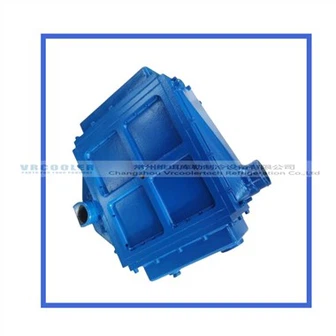
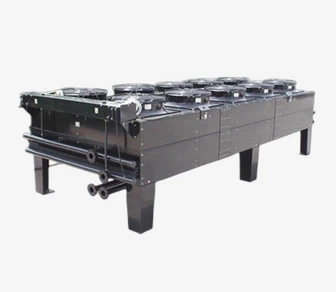
For gas generators that utilize hydrogen as a fuel source, a hydrogen air cooler may be employed to cool the intake air before it enters the combustion chamber. The purpose of the hydrogen air cooler is to reduce the air temperature and increase its density, thereby improving the efficiency and performance of the generator.

The hydrogen air cooler for gas generators typically includes the following components:
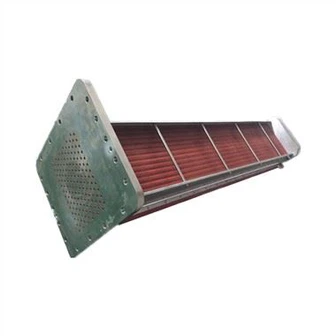
Cooling Core: The cooling core is the central component of the hydrogen air cooler. It consists of a network of tubes or passages that allow the intake air to flow through. The cooling core is designed to maximize the contact surface area between the air and the cooling medium, facilitating efficient heat transfer.
Hydrogen Circulation System: Hydrogen, the cooling medium, circulates through the cooling core to absorb the heat from the intake air. A pump or compressor may be employed to ensure proper hydrogen flow through the cooler.
Hydrogen Supply and Exhaust: The hydrogen air cooler is connected to the hydrogen supply system, which provides the necessary fuel for the generator. The exhaust hydrogen is typically expelled from the cooling system after heat exchange has occurred.
Mounting and Connection: The hydrogen air cooler is usually integrated into the generator's intake system, positioned between the air intake and the combustion chamber. It is connected to the generator's hydrogen supply system, ensuring a continuous flow of hydrogen for cooling purposes.
By cooling the intake air, the hydrogen air cooler helps maintain an optimal air temperature for combustion in the generator. This can enhance the generator's power output, fuel efficiency, and overall performance. Additionally, lowering the intake air temperature can mitigate the risk of engine knock and pre-ignition, promoting safe and reliable generator operation.